Week 4 – 3D experimentation
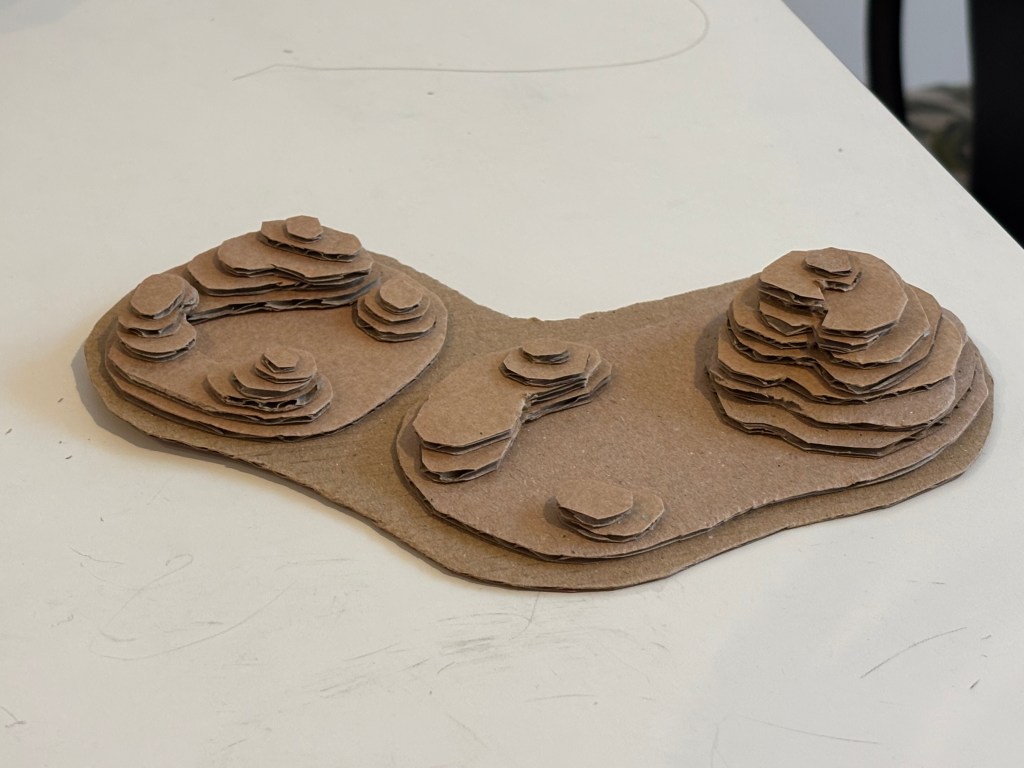
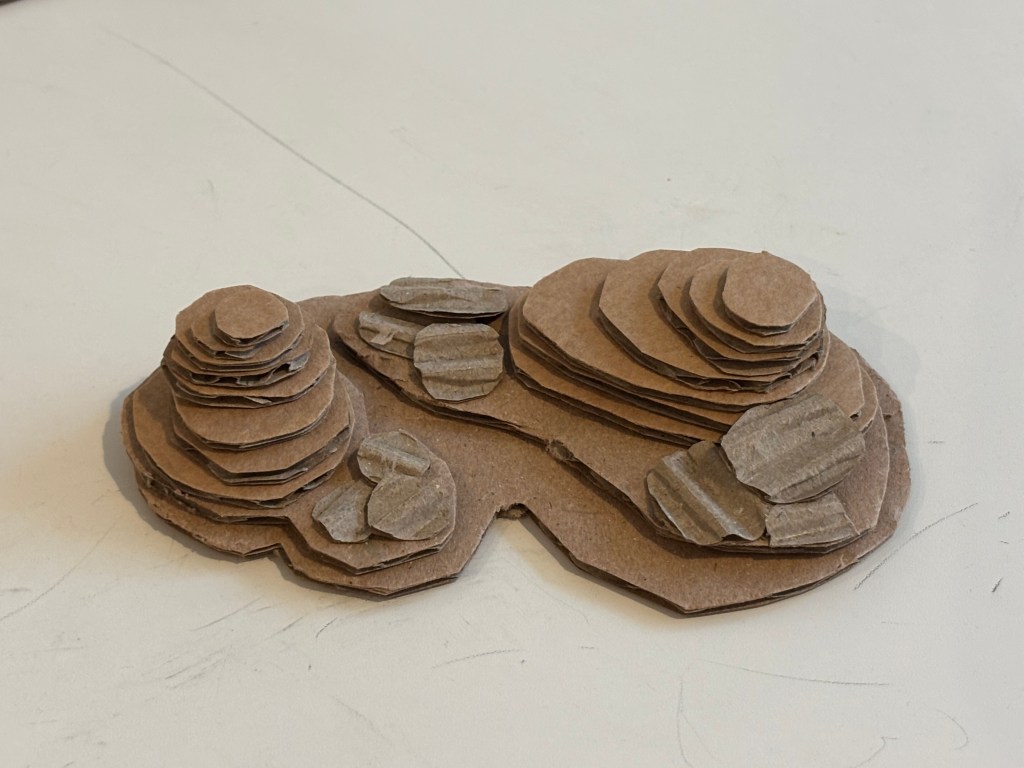
This is a model of a mountain landscape, I use cardboard material to make the model. I cut the cardboard into small pieces of different sizes and shapes and then glued them together to depict the stratification of the mountain landscape. The second model, I cut various small piece of cardboard, then peel off thinner layer and use the rough layer to depict many stone slab of the mountain landscape.
Cardboard is well suited to this model, as it successfully captures the 3D of the mountainous terrain. The thickness of the cardboard allows for clear separation of layers, representing even elevations throughout the model.
If I were to work with cardboard again, I would do it on a larger scale because making a small model makes the smaller details harder to complete, and use paint to make it more vibrant.
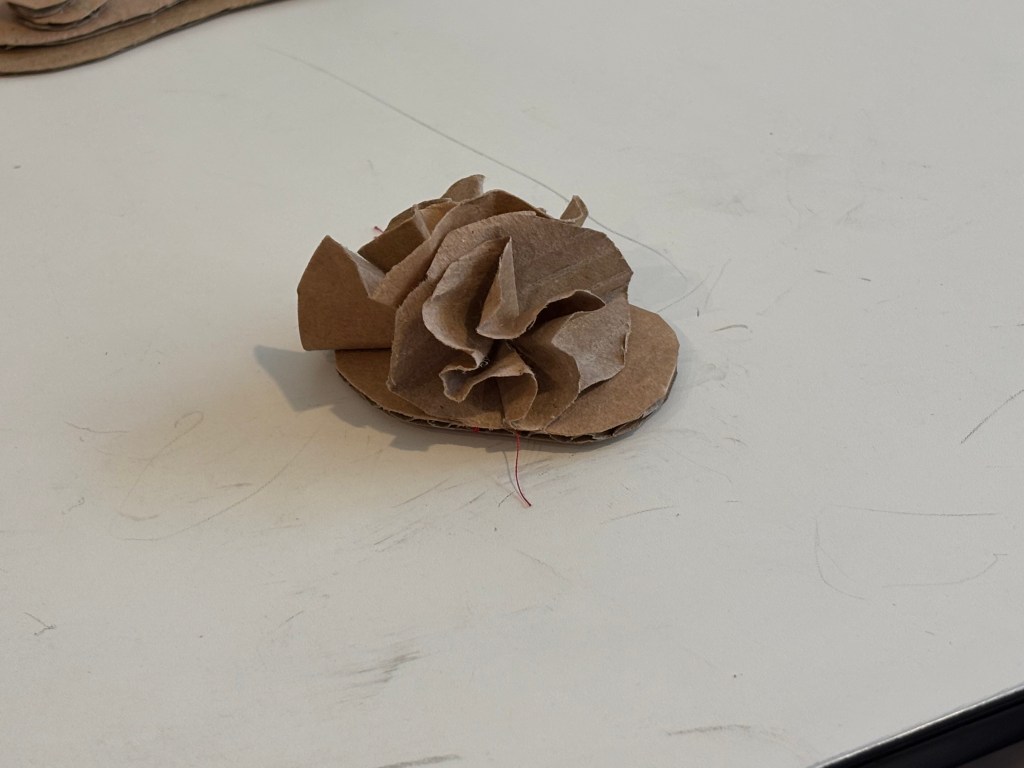
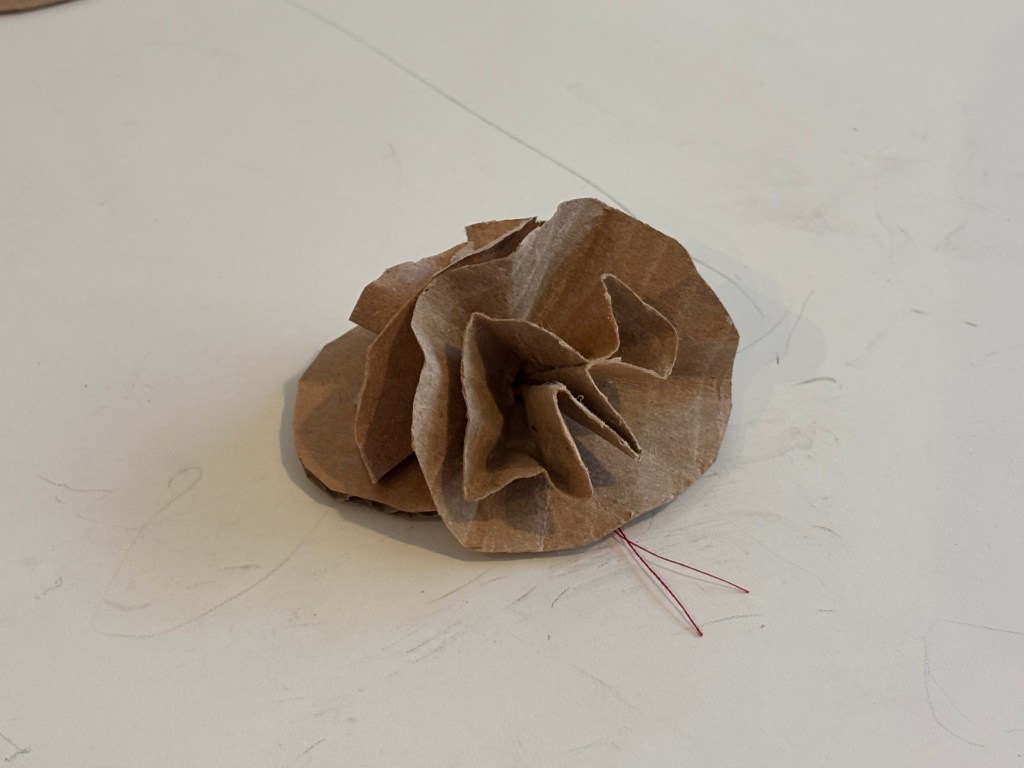
I cut out 3 circular pieces (not really round) from the cardboard. Then I peeled them off and took the thinner one to make the flower as it was thinner and easier to fold. From the center of the circle I smoothed the cardboard around to form the flower, I joined the 2 flowers together using thread and a needle, sewing them together. Finally I glued the bottom to the 3rd piece of cardboard.
Using cardboard to make flowers was a bad idea, because the cardboard has a certain roughness that makes it difficult to describe the softness of the flower.
Next time, I will make flower pots instead of flowers, because the sturdy of the cardboard makes it easy for the flower pot to stand.
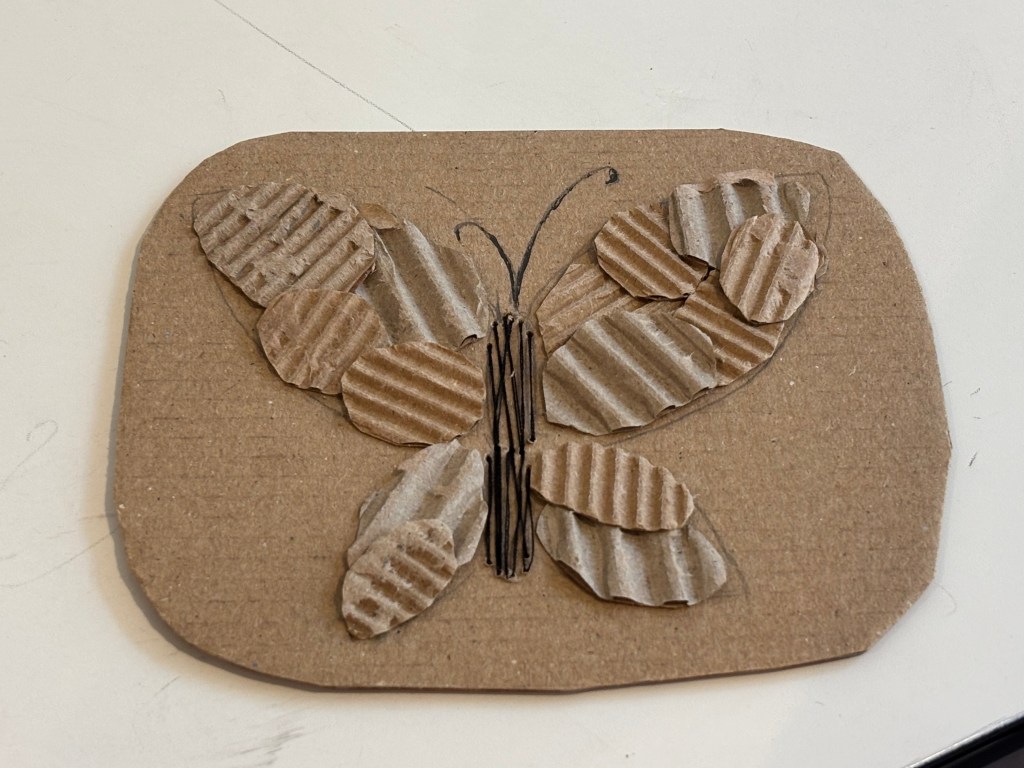
I cut out a rectangular piece of cardboard and rounded the corners, then drew out the butterfly shape. I cut out several smaller pieces of cardboard and peeled off the thinner part, then glued the rough pieces to the shape of the butterfly wings. I used a needle and thread to sew the body of the butterfly.
Using cardboard, especially the rough part of the cardboard to make patterns on the butterfly wings, this makes the butterfly wings more special.
Instead of just gluing layers of corrugated cardboard, I would try bending or shaping the cardboard to give the wings a more natural, flowing curve. I could also create a more volumetric body (like a small cylinder) by rolling the cardboard.
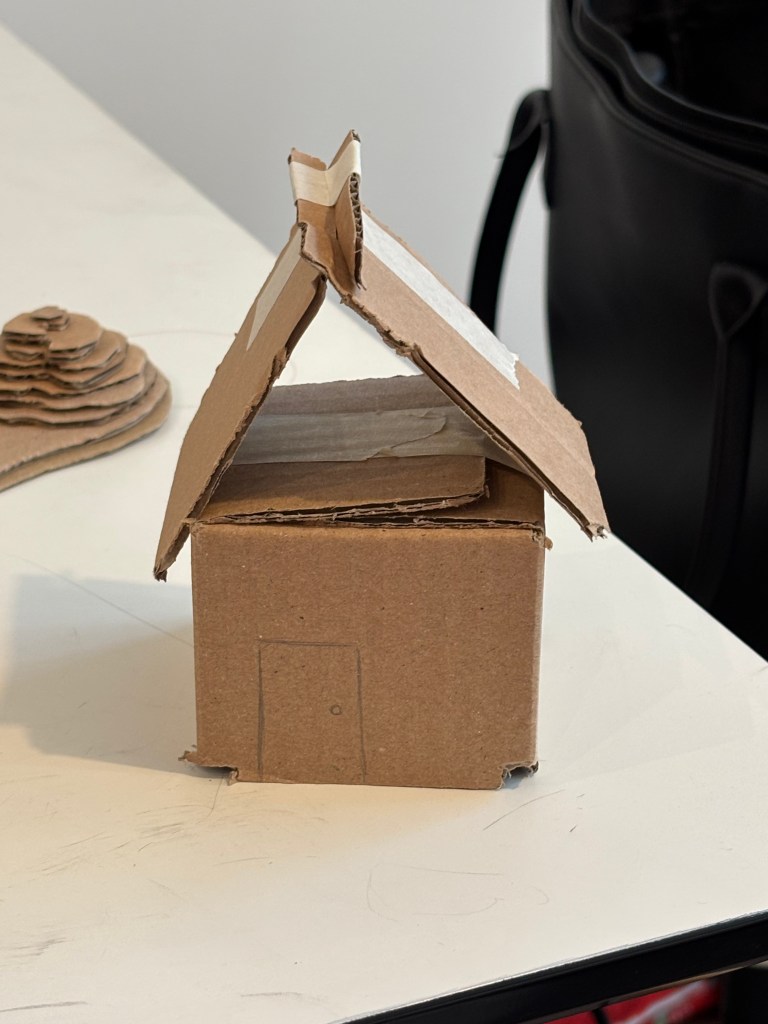
I used a long piece of cardboard with folds already made, I folded and glued it into a box to make the house. Then I cut 2 other pieces of cardboard into rectangles and cut the top part to make a joint, put the 2 pieces of cardboard together into a triangle, used tape to glue the triangle part (roof) to the box part (house). Finally, I drew the door for the house.
The outcome is unsuccessful in terms of final finish and neatness. The joining points (where the tape is visible) are not very neat, particularly on the roof where the pieces meet at the apex and eaves.
If I were to work with cardboard again, I would focus on creating cleaner joins by using techniques like tabs to eliminate visible tape. I would enhance the architectural detail by cutting out actual windows and finally, I would ensure greater stability by attaching the entire model to a flat cardboard baseplate.
Artist inspires me
Artist : Sayaka Ganz
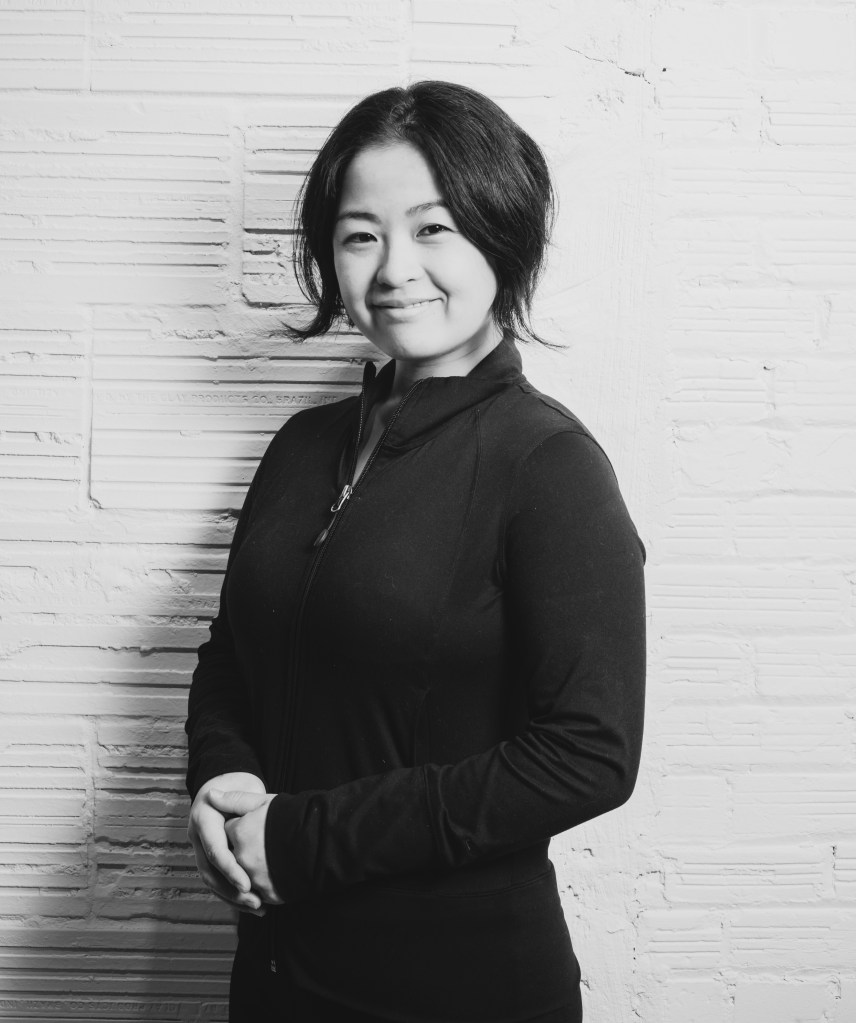
Sayaka Ganz, a famous japanese artist for creating lifelike, seemingly moving animal sculptures made entirely from discarded plastic and household items.
Her process involves collecting discarded plastic items such as kitchen utensils, old toys, or plastic fragments and meticulously arranging them, welding or gluing them together on a steel frame. She uses the inherent colors and shapes of these materials to create dynamic details, making the work appear to be in motion.
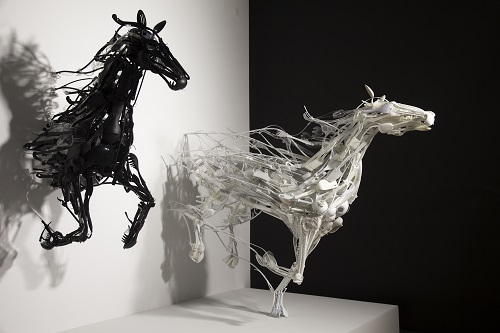
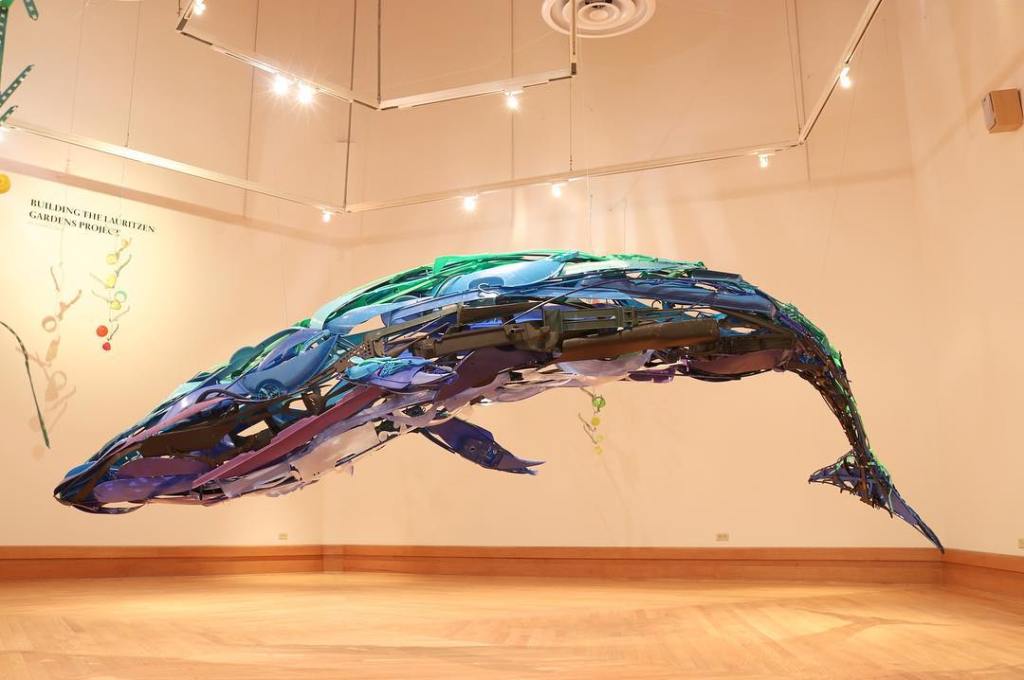
What I love most about Ganz’s work is her ability to create life and energy from static, lifeless materials. Her works have a playful feel to them, while also creating a powerful contrast as the plastic waste is used to depict the natural beauty of animals. What I don’t like is that because of using plastic, many of the details of the animals are not depicted delicately, especially with animals that have fur or hair.
Sayaka Ganz’s work inspires me to use individual parts to create a whole work and encourages me to see the potential of discarded materials. I think with patience and careful arrangement, I can create a beautiful work like her.
 Phuong Vi Nguyen