Week 9 – Develop Final Outcome
This week, I finished my third work for my final outcome. It is still-drawing. I use grid method for scaling objects. Plus, I also did a big mindmap on A3 paper to show the plan of all of my final outcome.
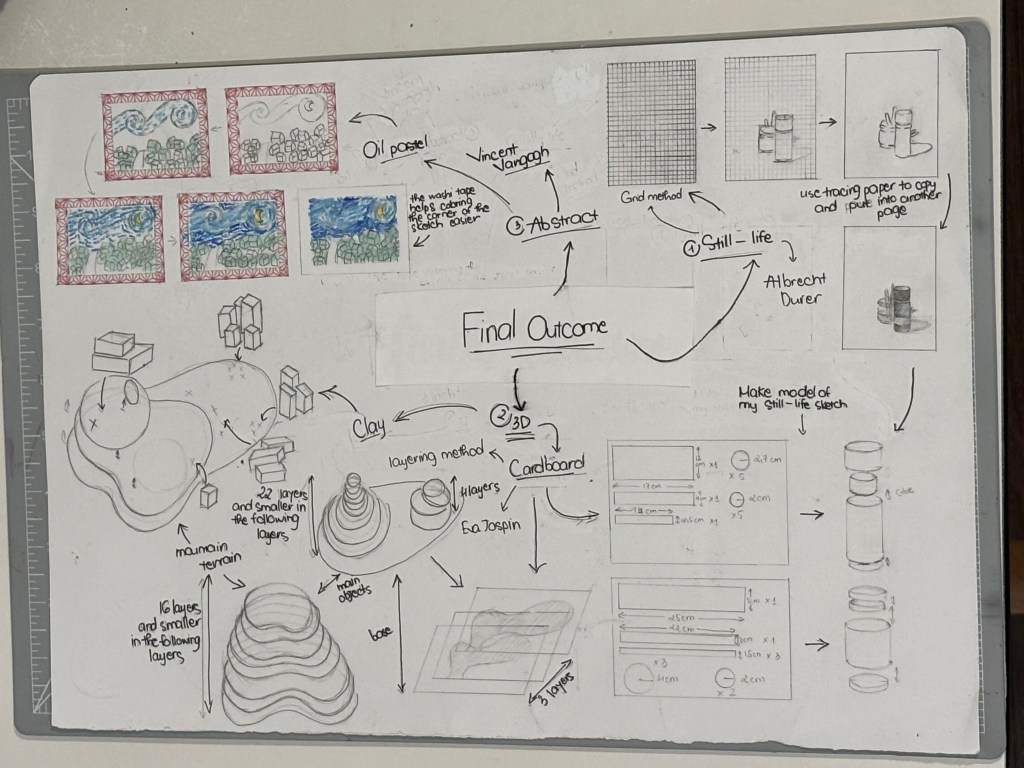
This mindmap show small descriptions and the process from 3 pieces of my final outcome. This mindmap shows that I chose 3 topics to do my final outcome(abstract, still-life and 3D). It also demonstrate the method (Grid method) and the materials(oil pastels, cardboard and clay), I used for my works.
Still-life
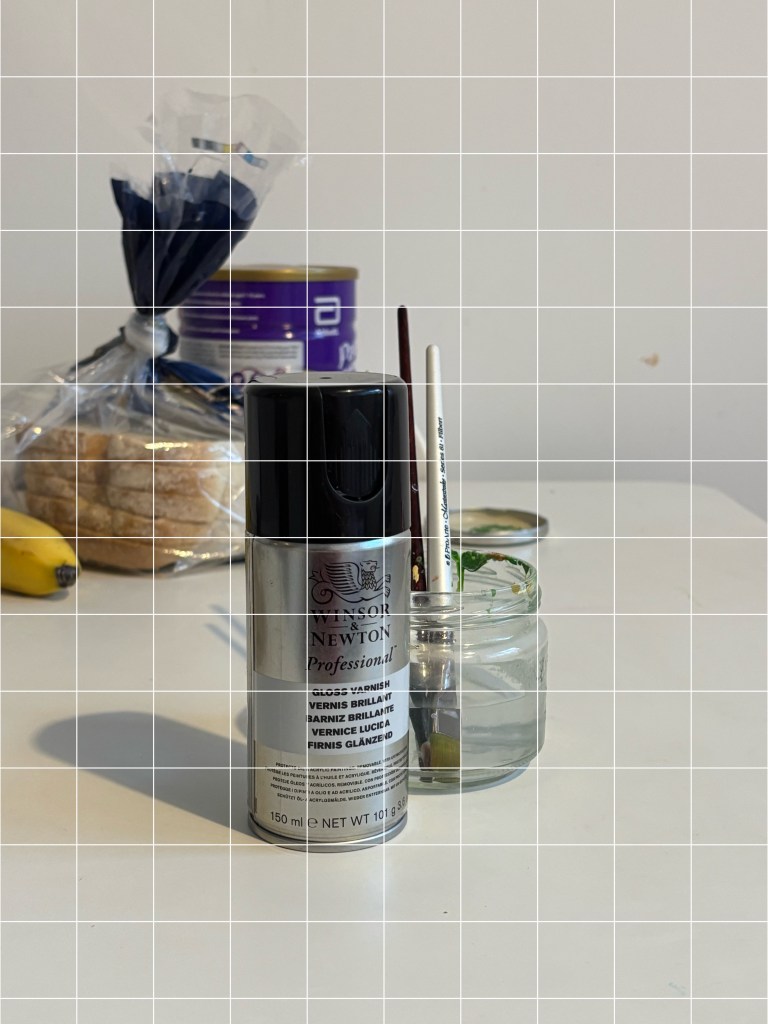
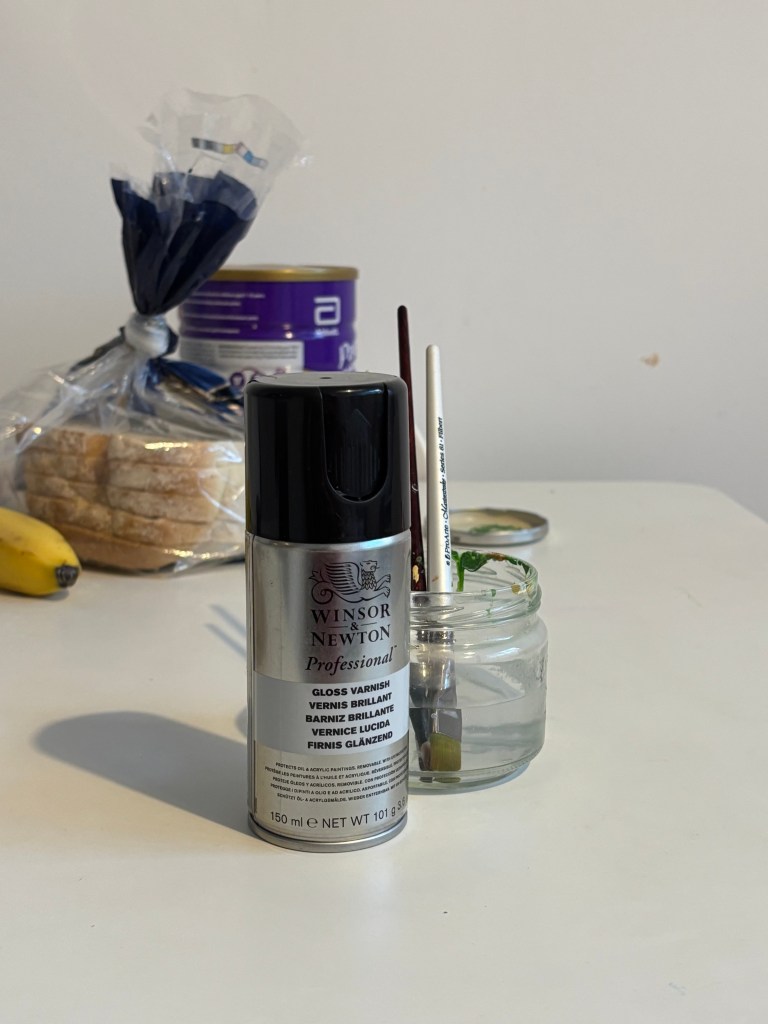
I took a picture of the object I wanted to draw, then uploaded it on an app ( called “Grid#”) to make grid of the image.
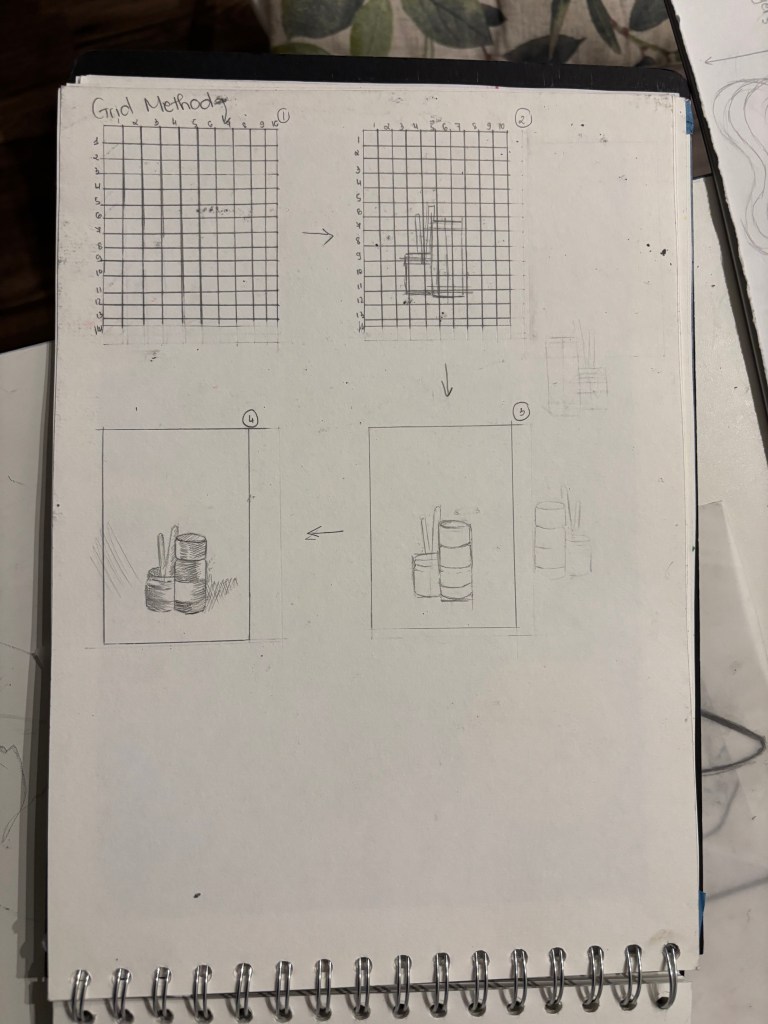
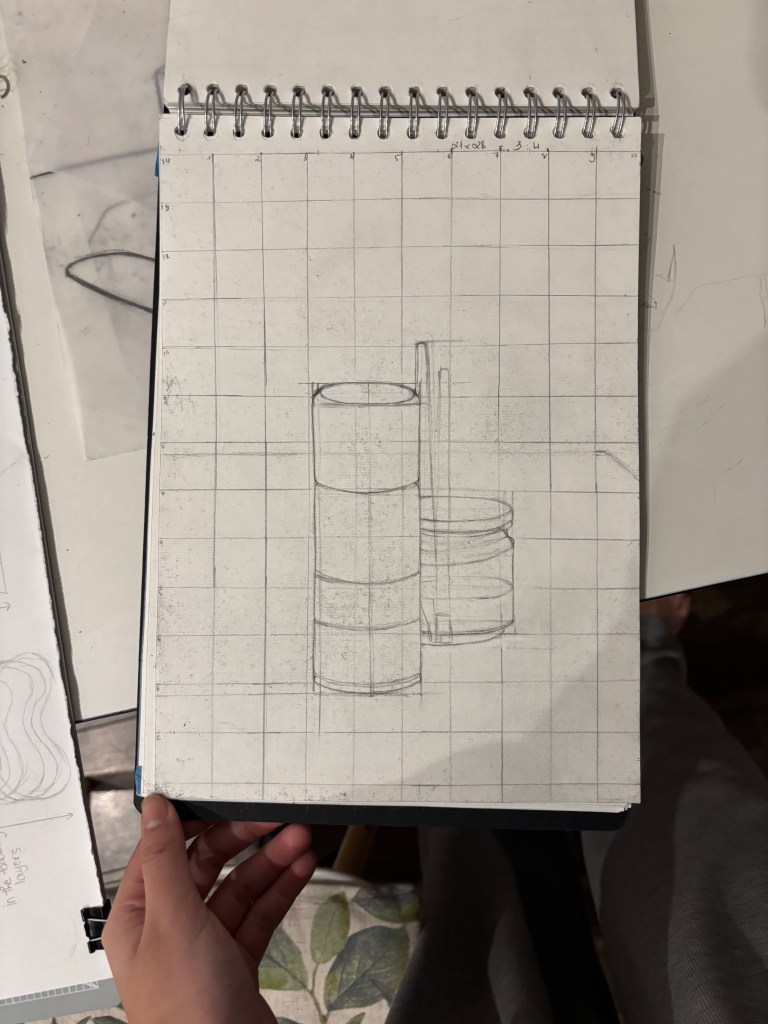
Then I draw the grid with the same quantity as in the image. After that I used tracing paper to trace the drawing and paste it on another page.
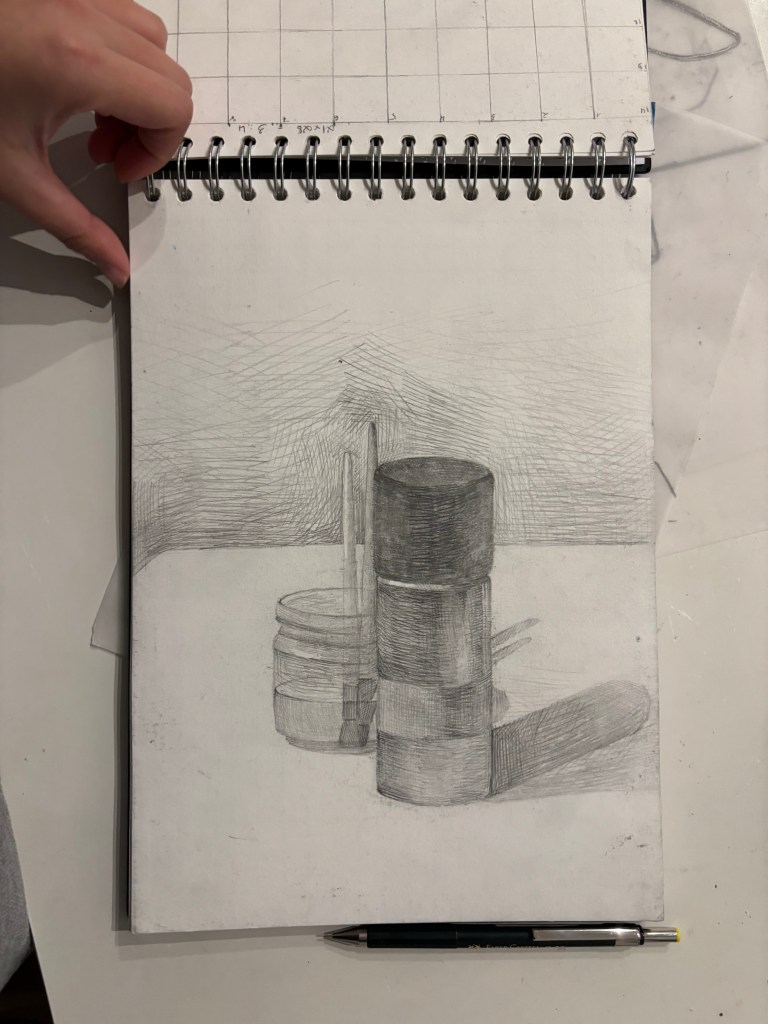
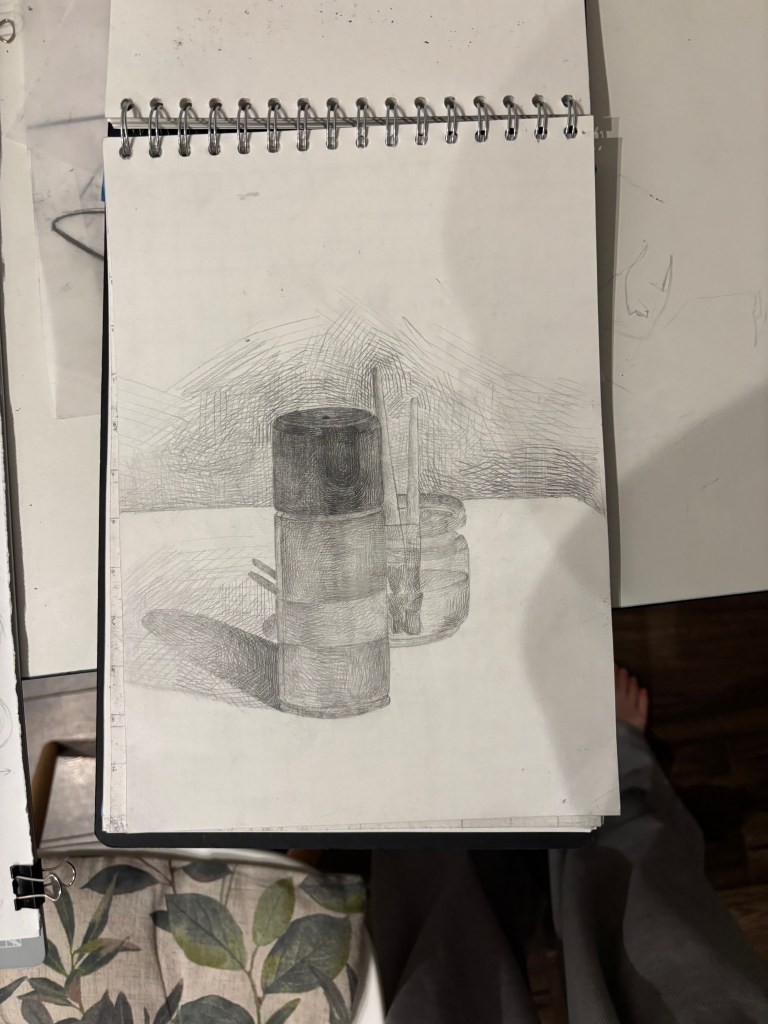
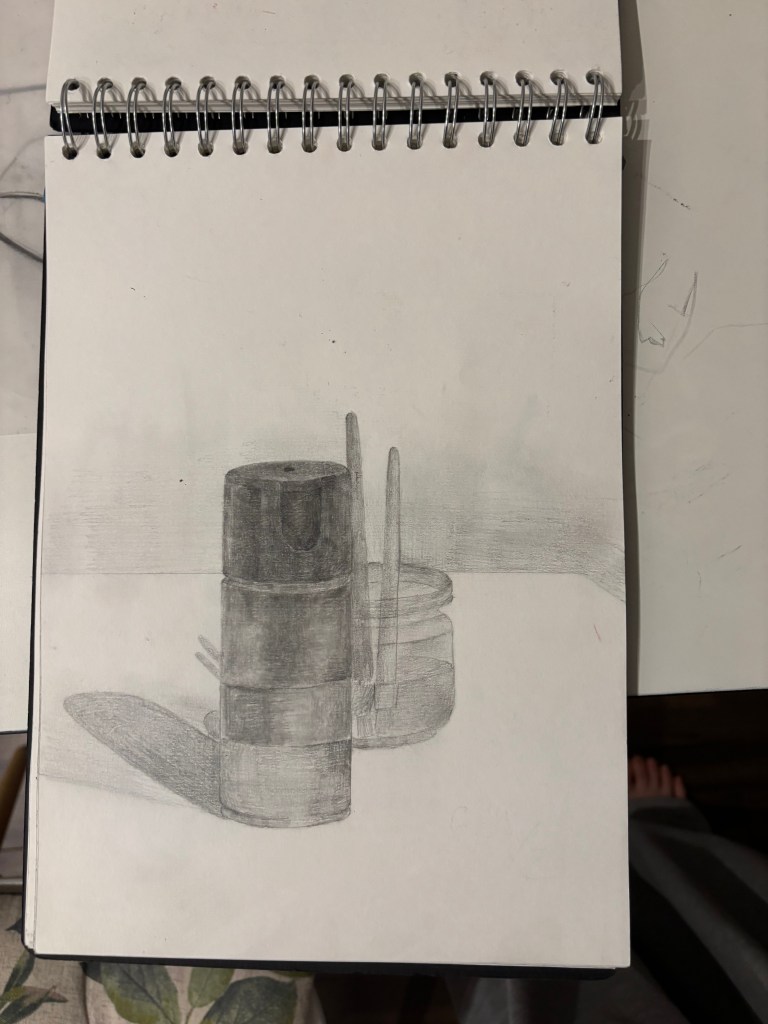
I used cross-hatching technique to shade the first and second drawings. For the first, I only use 2B pencil and strokes are uneven and lumpy, making the shadows rough and hard. But, in the second, I drew small cross-hatching and used many type of pencil to shade ( B,HB,2B,4B) for different materials of objects. In the third one, I shade without sharp my pencils as the first and second and use tool to blur the draw, this make the drawing smoother.
Artist inspires me
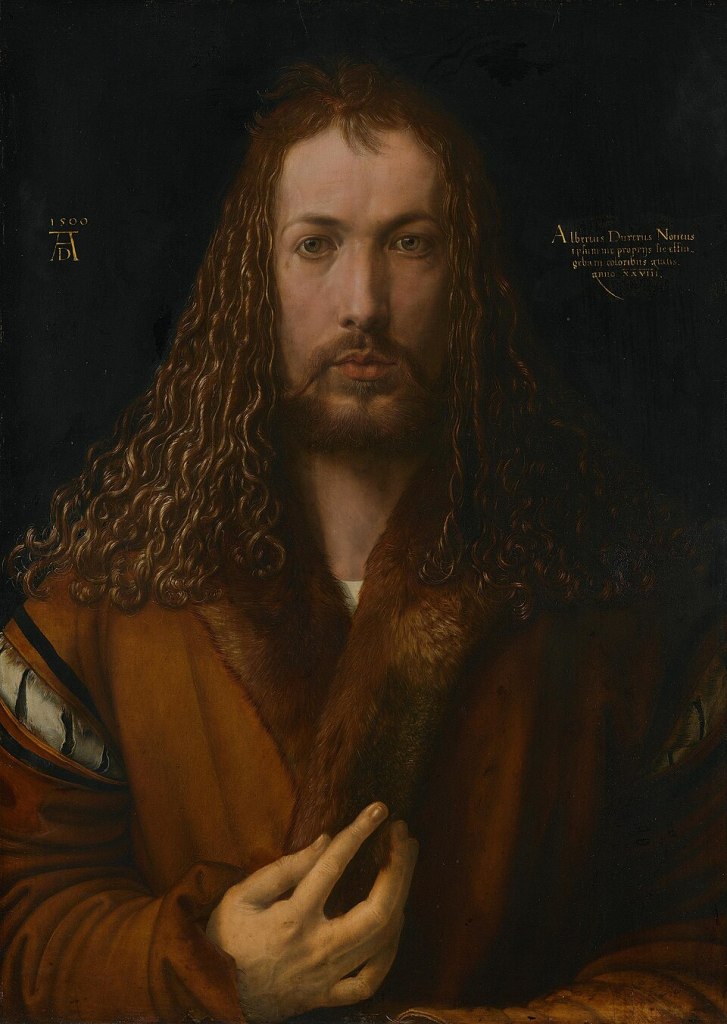
Albrecht Dürer (1471–1528) was one of the greatest artists of the Northern Renaissance, known for his keen observation, almost scientific precision, and fascination with visual representations of the world. One of his most important contributions to art was the use and development of the “grid method”.
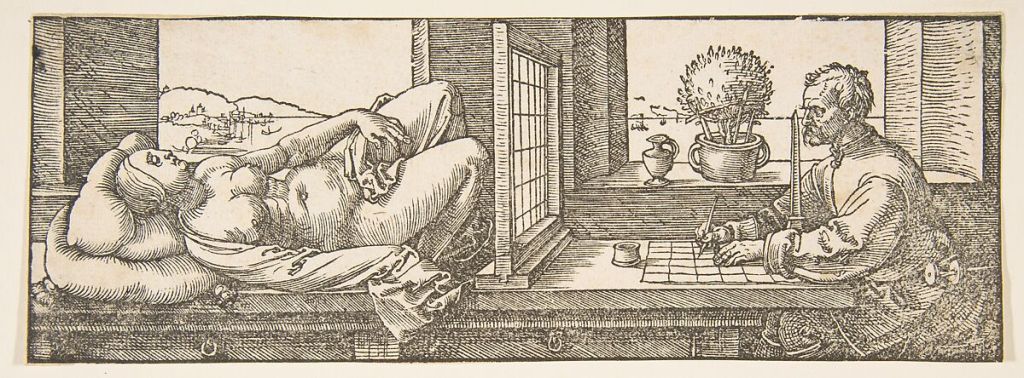
Dürer demonstrates this technique in many engravings illustrating his system of drawing tools. The most famous work is “Draughtsman Drawing a Nude” (1525), where he depicts an artist observing a model through a grid and tracing the form onto a sheet of paper with a corresponding grid.
Reference: The Art Workshop (2021). The Grid (narrated tutorial and art history of the artist’s grid). [online] http://www.youtube.com. Available at: https://www.youtube.com/watch?v=BanbJVFmruw [Accessed 26 Oct. 2023].
Ruhmer, E. (2018). Albrecht Dürer | German artist. In: Encyclopædia Britannica. [online] Available at: https://www.britannica.com/biography/Albrecht-Durer-German-artist.
After doing many drawing of this still-life drawing, I decided to make 3D model based on it and another model of terrain mountain. I used cardboard to make these models.
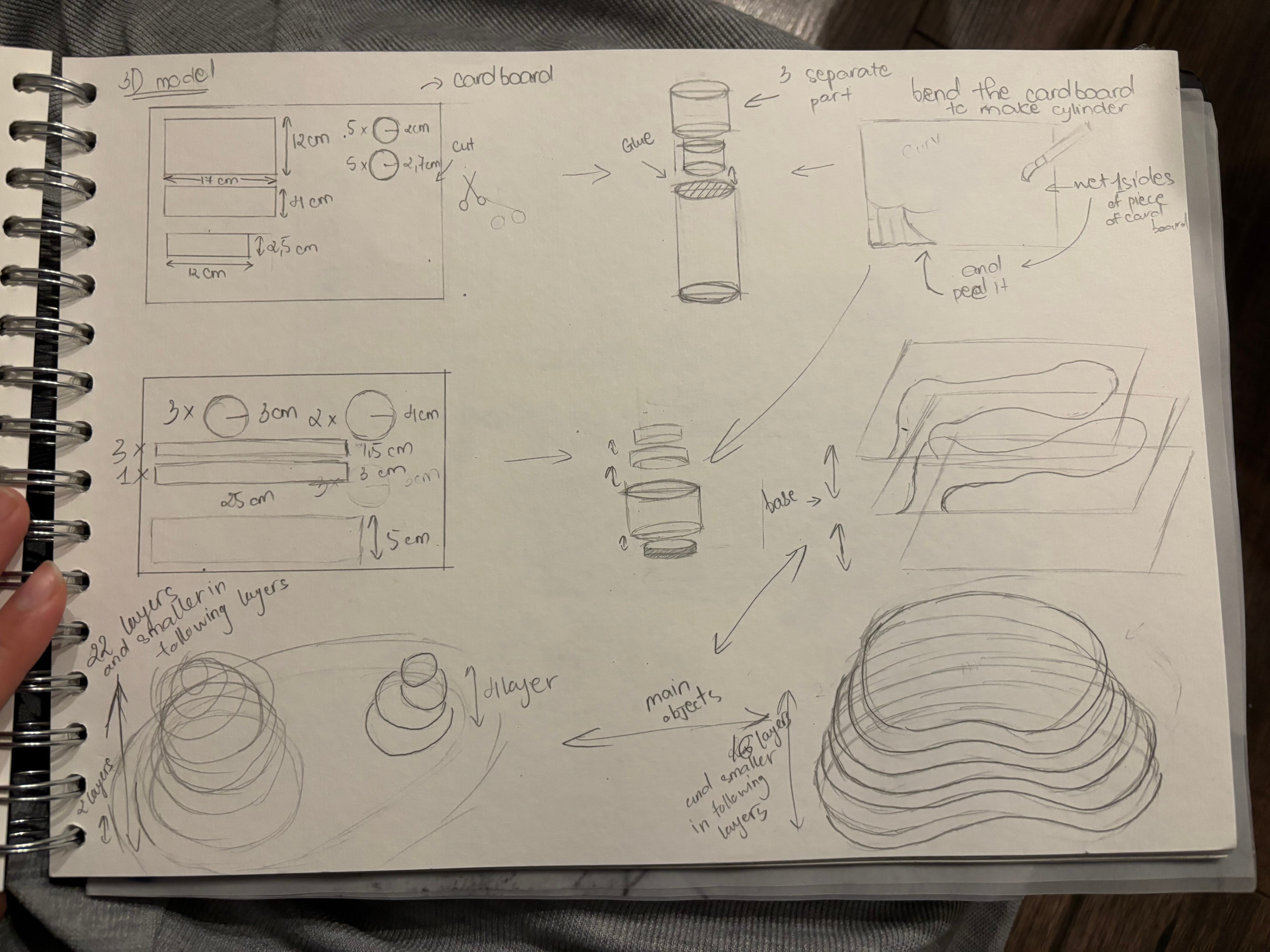
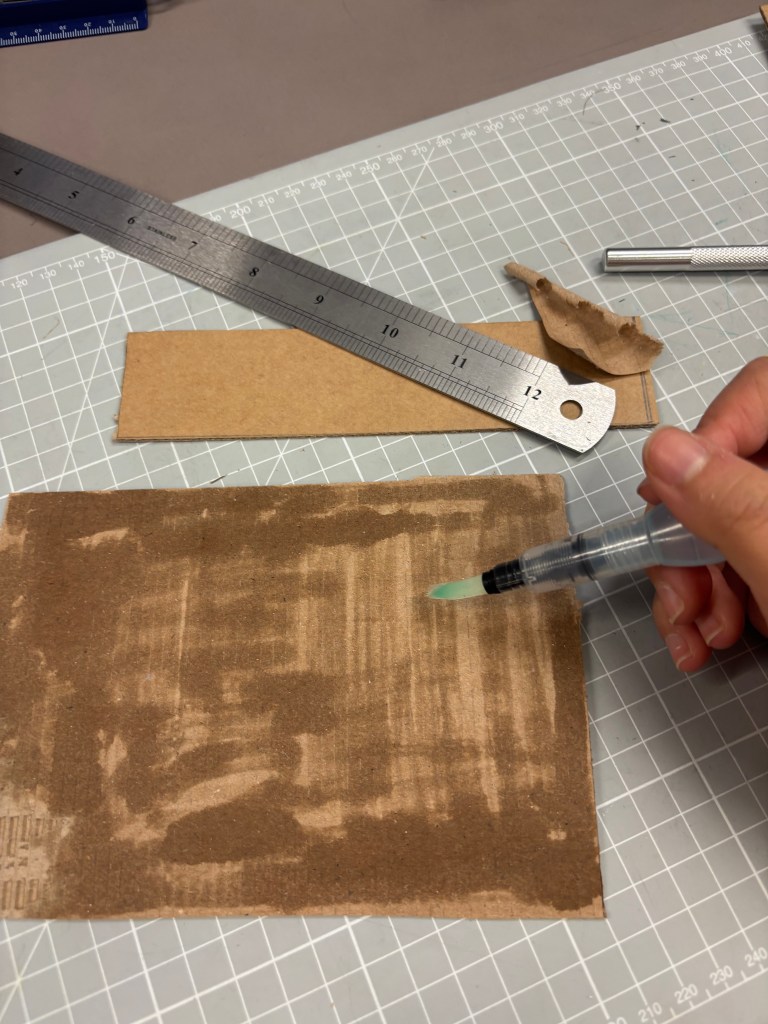
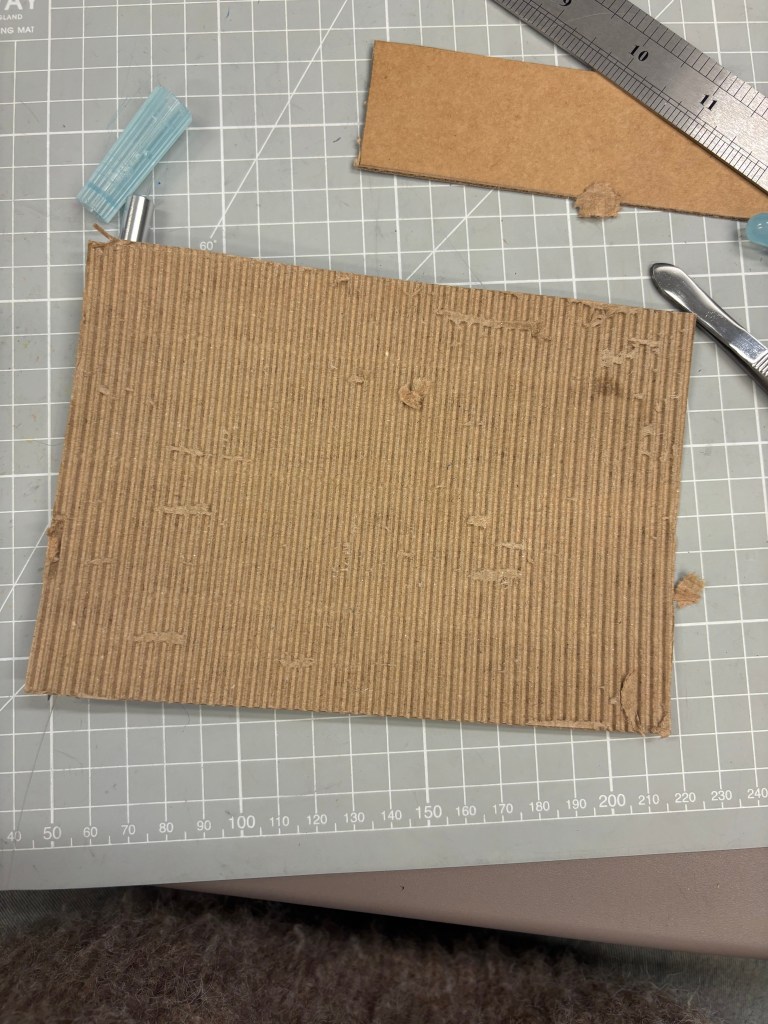
This part is about how I made the cylinder part with cardboard without breaking it. I used a wet brush to make one side of the cardboard wet , this help me easy to peal the side off, then I wil have a piece of cardboard as the second picture. The rugged part allows me to curve it easily.
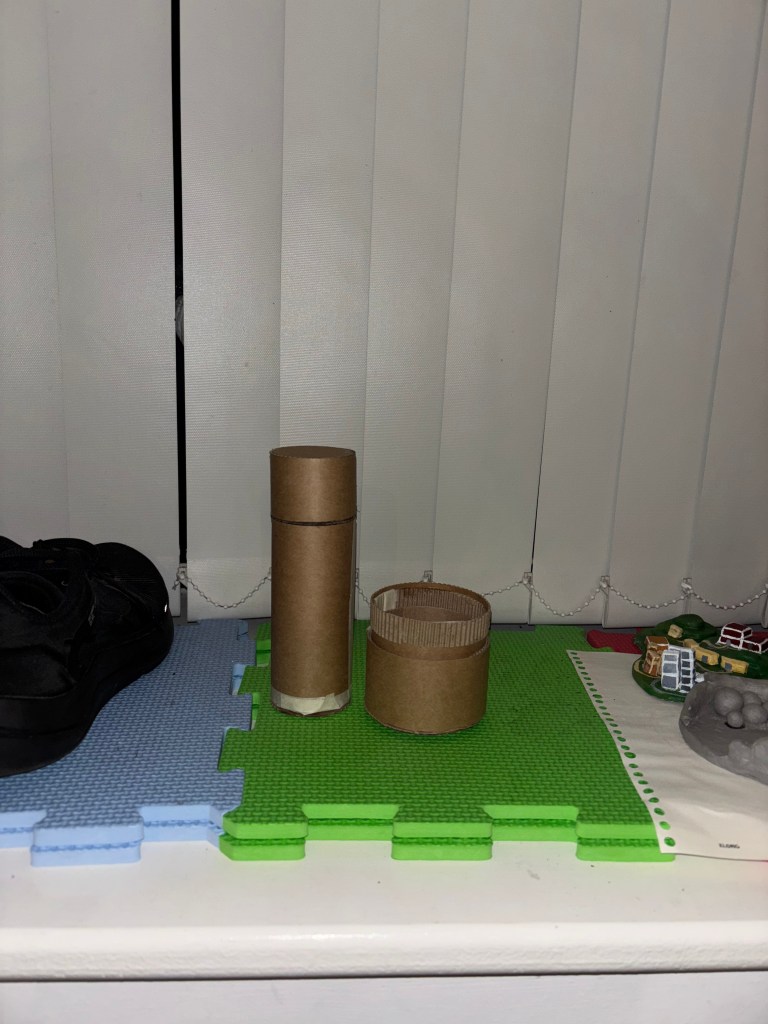
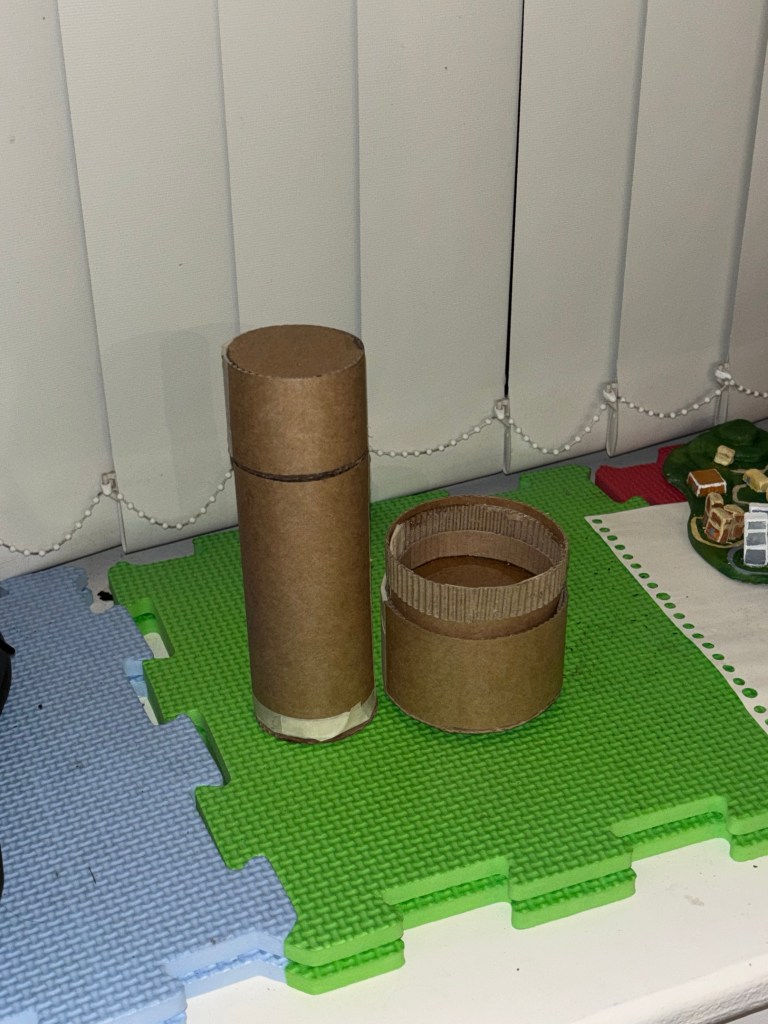
For this model, I used cardboard, because it is easy to make model and donot take much as using clay ( I have to wait for clay especially in the UK where there is little sunlight it is a long time).
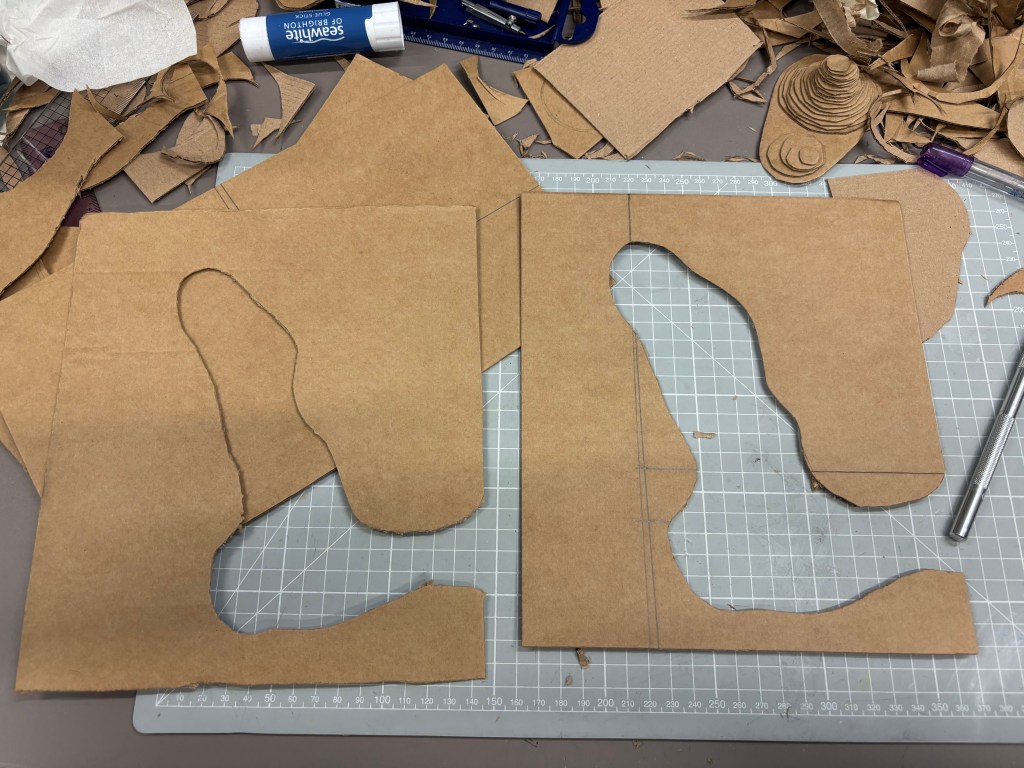
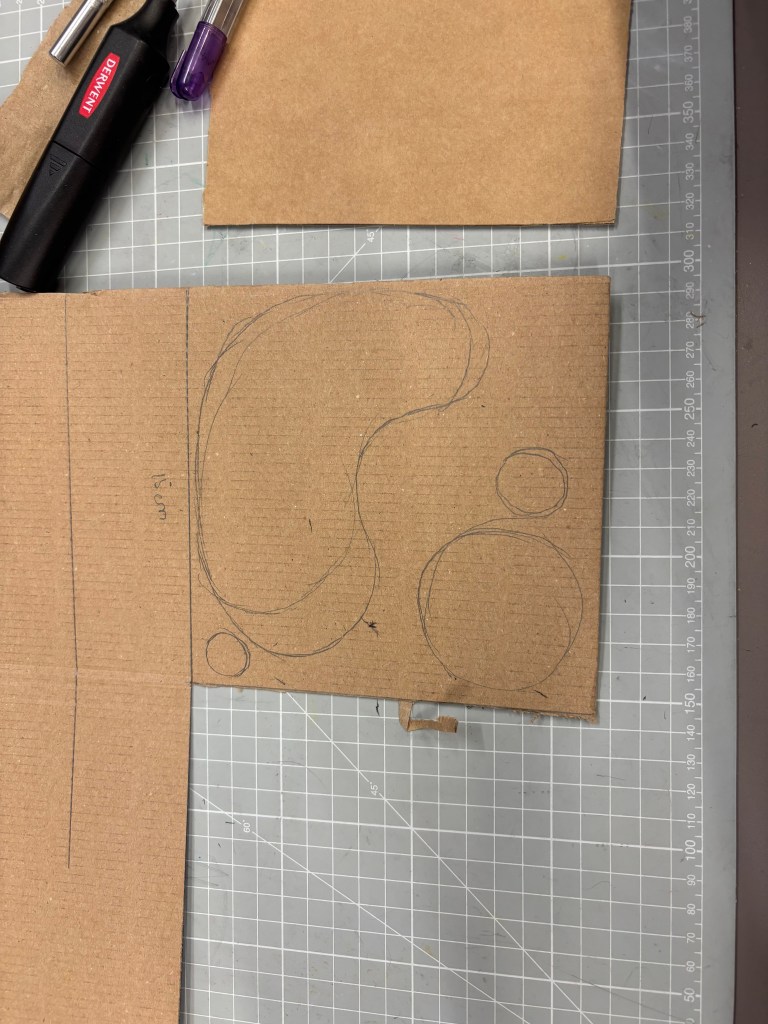
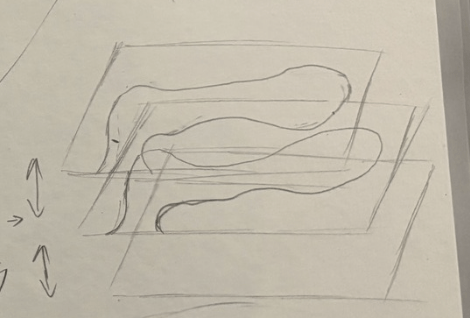
These images show the cut of the base of the model. I used draftknife to cut it without breaking it. Before I cut, I drew on the cardboard to specifically format the parts I needed to cut. The first images, is the base of whole model.
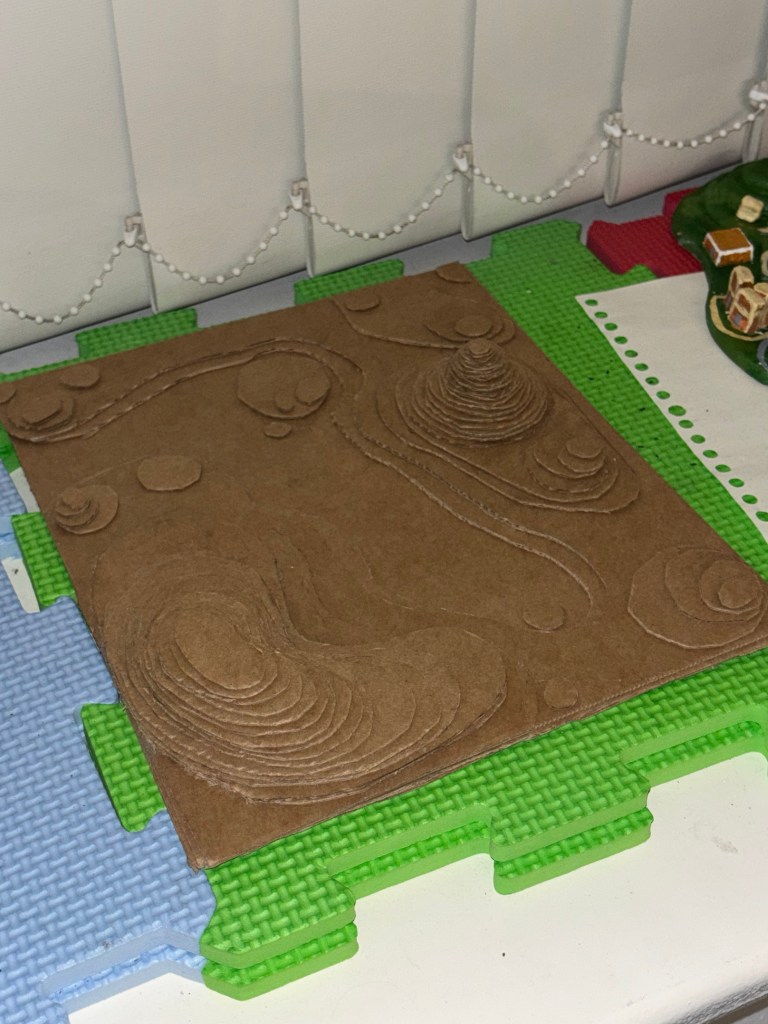
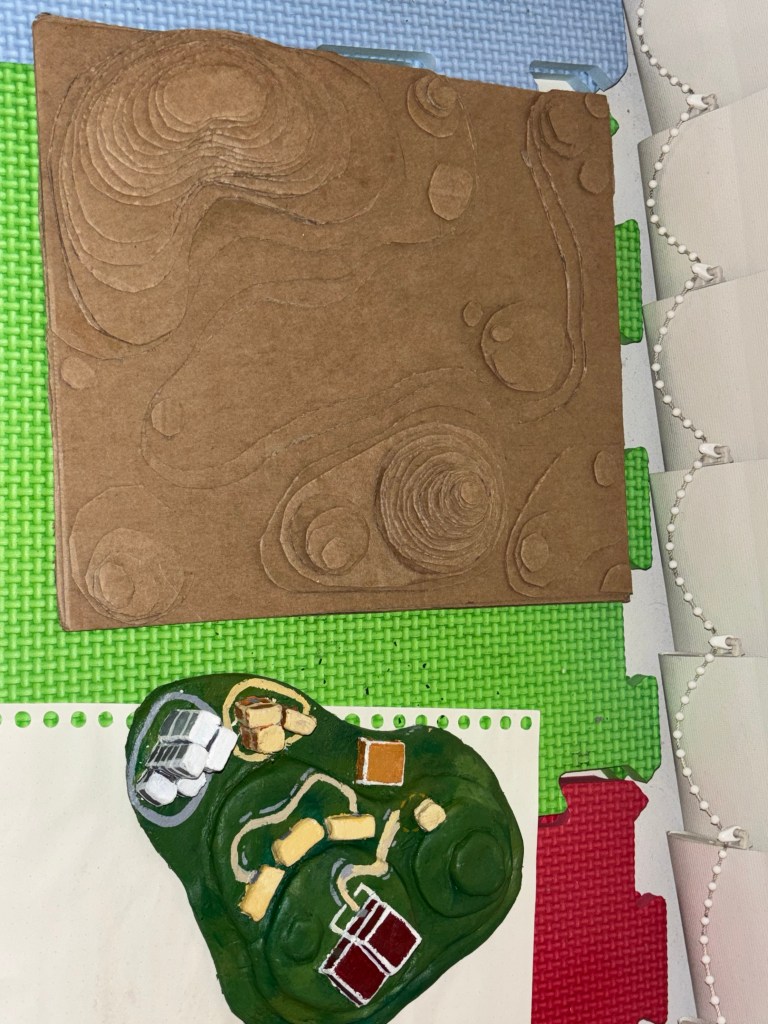
This model, I used layering method, adding multiple layers of cardboard on top of each other to build depth and dimension.
Artist inspires me
- Eva Jospin
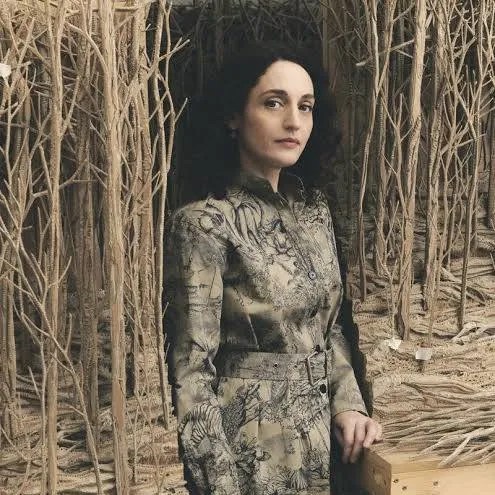
Eva Jospin (b. 1975 in Paris, France)
What is special about Eva Jospin’s artistic practice is the way she transforms simple cardboard into deep forests, caves, cliffs or epic architectural works.
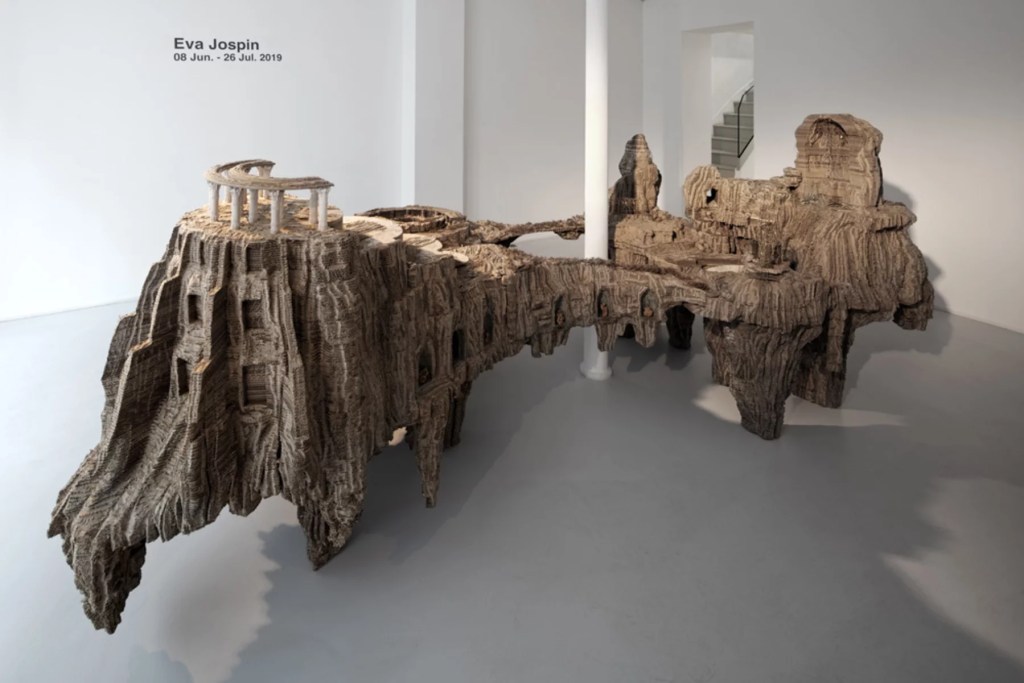
This is from the exhibition “Panorama”, which inspired from the monumental fountains of ancient Rome. She used cardboard is the main material to create forest landscapes, caves, arches, stone walls, classical architectural structures or complex paths. Through the technique of cutting, layering and carving into deep layers, she turns cardboard into “terrain”, a kind of sculptural landscape that is both natural and artificial.
Reference: Mariane Ibrahim Gallery. (n.d.). Eva Jospin. [online] Available at: https://marianeibrahim.com/artists/79-eva-jospin/.
 Phuong Vi Nguyen