Week 6: Statemen of Intent
I start researching artists who I can use for my final outcome. I get recommendations from ChatGPT. Then I choose 3 artist who suit my theme and have some artworks that I think it can support my final outcome.
I choose Kongjian Yu, James Corner Field Operations and West 8 for my research.
Kongjian Yu
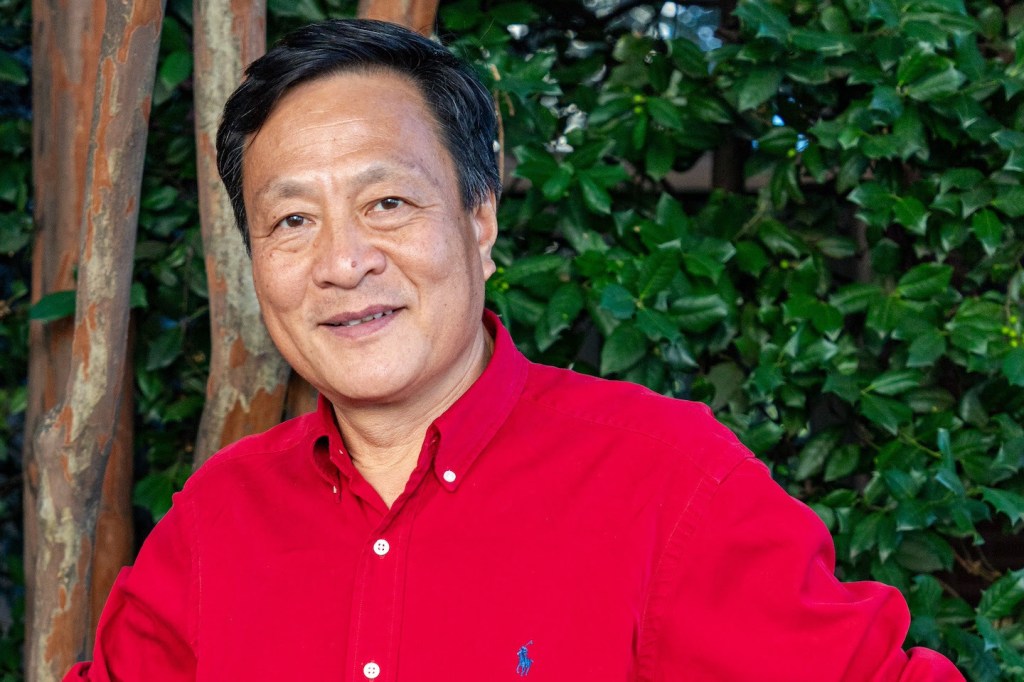
He is a founder of the landscape architecture firm Turenscape and also an advocate of the “sponge city” concept. This approach prioritizes nature-based solutions, such as wetlands, parks, and permeable pavements, to absorb and retain water. This approach is a stark contrast to traditional concrete infrastructure, offering cities a way to combat urban flooding and accelerate climate change by working with nature rather than fighting it (Florian, 2025).
The reason I chose him is that instead of simply designing landscapes to decorate the city, he makes it functional in addressing climate change issues. He emphasizes the importance of landscape design for the environment, especially in the context of climate change in today’s urbanized era. He uses landscaping as an art of survival, because it helps prevent climate change, leading to a reduction in the occurrence of natural disasters (storms, floods, urban heat, and urban pollution) that have killed so many people (Ghisleni, 2024).
- Project: The Red Ribbon Park.
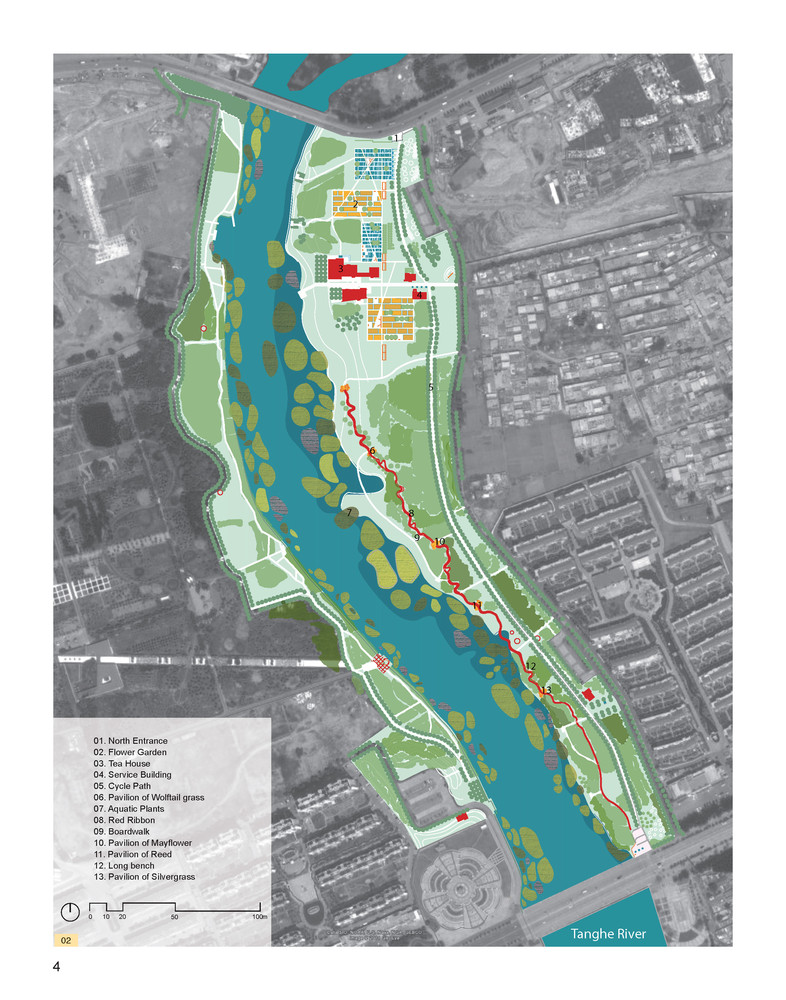
The site is located in Tanghe River (Qinhuangdao, China) which has a pristine natural landscape with lush native vegetation, but once viewed by the community as a chaotic, unsafe, and unsightly area (ArchDaily, 2013). A red leading line extending 500 meters was added and became a special highlight for the park. Walking along this red ribbon allows people to view the entire natural landscape of the river.
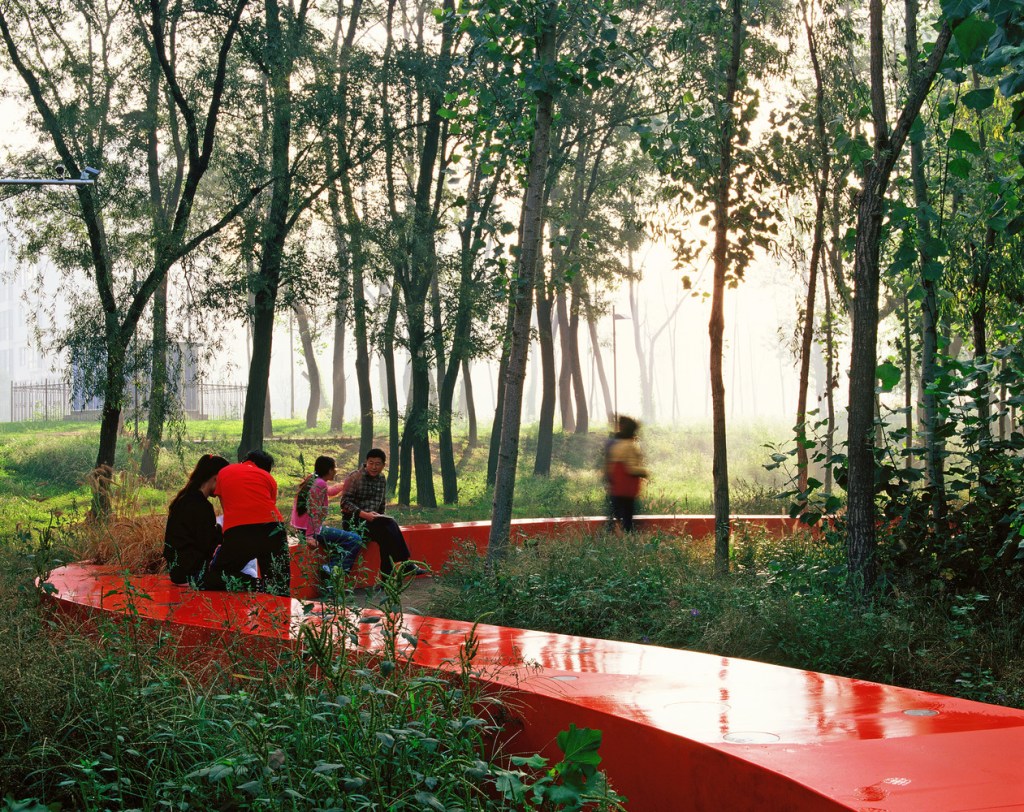
Using red, a warm colour for this line, creates a contrast point with the green colour of natural vegetation. Insteading of land reclamation or the construction of large concrete roads that would destroy the riverside ecosystem, wooden walkways are raised off the ground to protect the vegetation below, allowing people to access nature without stepping on it. The red ribbon runs through the trees and forests and also winds along the river. This has very little impact on the surrounding vegetation
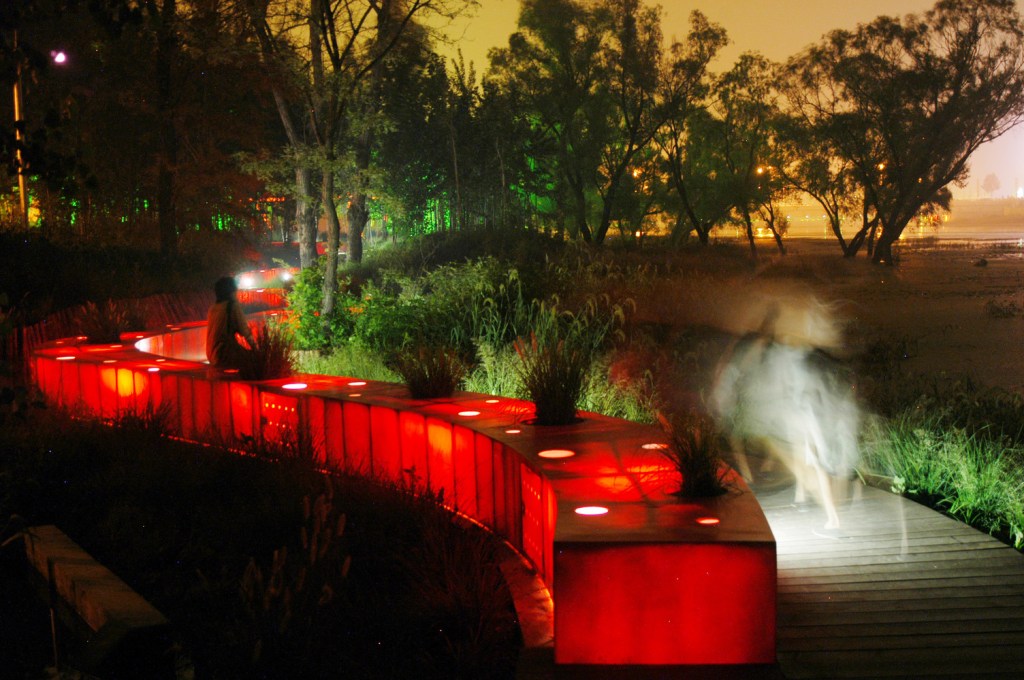
At night, the red ribbon has an internal lighting system. The ribbon glows brightly, transforming into a warm red streak of light stretching through the darkness of the forest. This makes the ribbon stand out and differentiate itself from the natural vegetation background. It also provides sufficient light and creates a safe environment for people walking at night without erasing the peaceful atmosphere of the river. Besides, this park features a striking contrast between its materials. There is a contrasting combination of hardscape and softscape material which shows the smooth surface of fiberglass material(hardscape) merges with the roughness of the vegetation surroundings(softscape). Turenscape wanted to preserve native weeds, shrubs and messy growing of the habitats that was a special point of the studio showing the beauty of nature without interfering with its shape. The Red ribbon succeeded in solving the challenge of transforming the polluting riverside area into a green, clean and safe public space with minimal impact on the environment. The message of Kongjian Yu in this project is that using minimalist solutions can create huge improvements, important to the landscape and environment.
Connection with my project: Instead of overusing hard concrete for the solution of filtering the water in the riverside area, Yu used the wetland system of natural environment and native vegetation. This brings me many inspirations of using the availability of nature when it grows on its own for the solutions of saving itself. From the Red Ribbon park, I was inspired by the red leading line which serves people to rest on and is a pathway to lead people to nature, also offers a light source and safe environment at night. Plus, materials of the red line are wood and fiberglass which are eco-friendly, then I can use them for my own project.
- Project: Qinhuangdao Beach
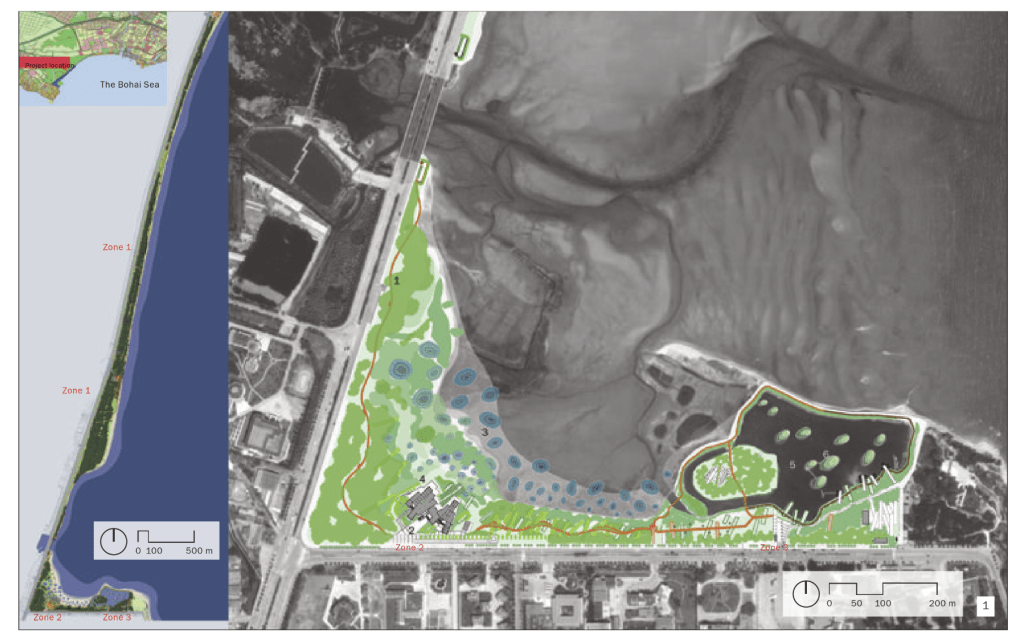
The project area is located on the Bohai Sea coast, a region that suffered severe erosion, degraded vegetation, and was littered with waste because of unplanned development activities in the past (Landezine, 2012).
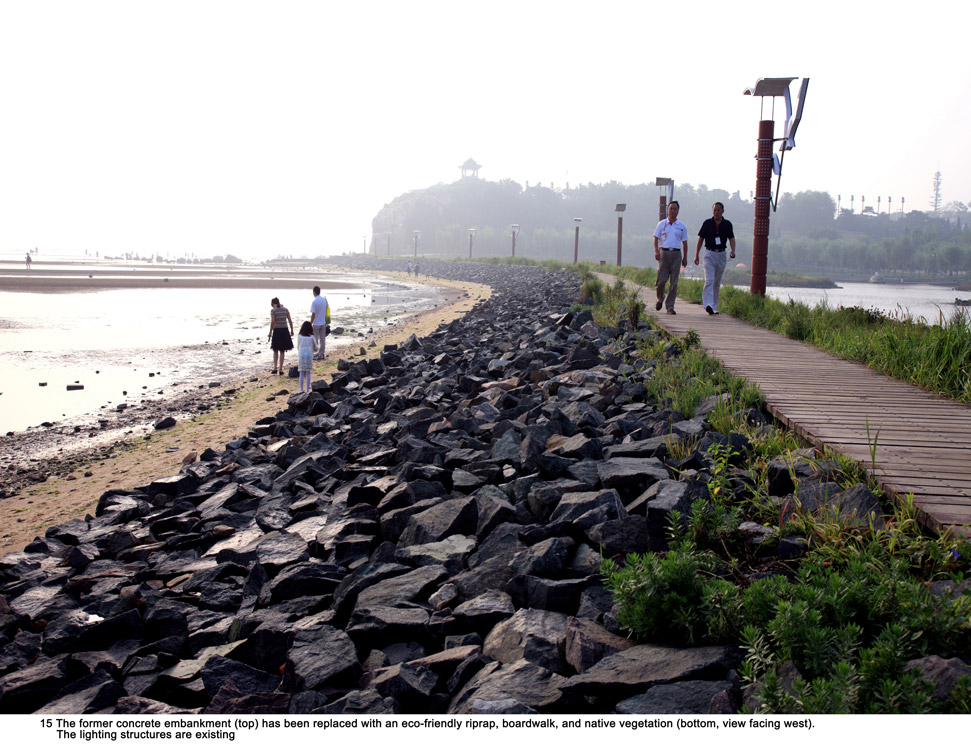
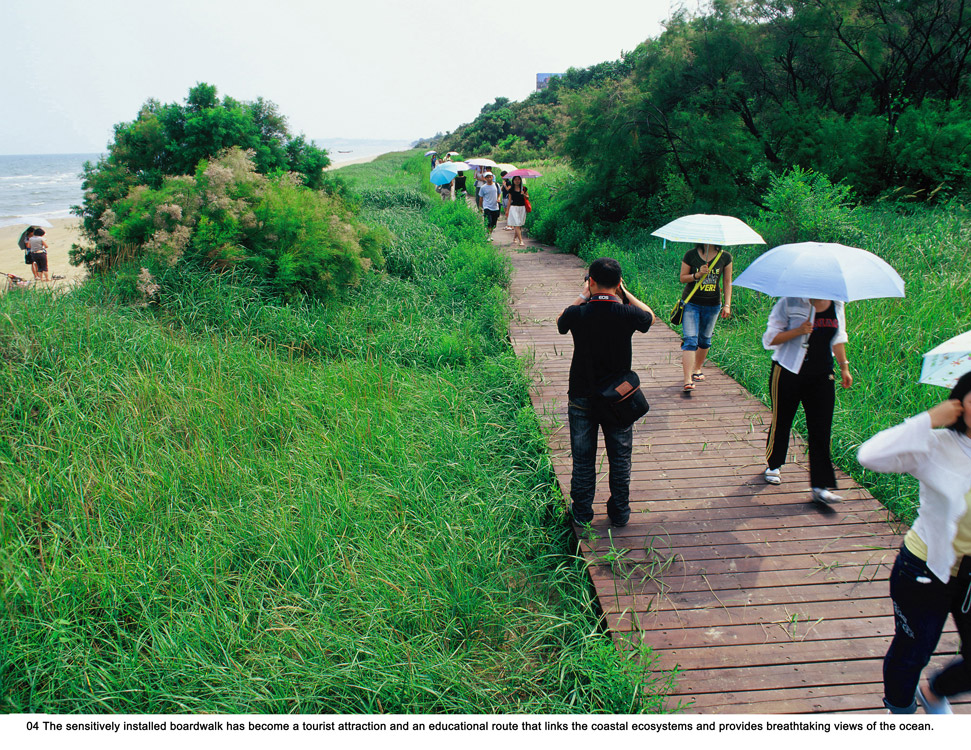
There is the same combination between hardscape and softscape material as The Red Ribbon park, using fiberglass boardwalk for people which wind along the shoreline of the beach. This helps visitors to experience the diverse plant communities surrounding. The walkway also serves as a soil structure which protects erosion coastline that was affected by sea winds and waves. The blend of softscape and hardscape created a contrast between the sturdiness of the boardwalk and the softness of vegetation. They design the wooden circulation pathways to raise off the sand, prevent people from trampling on the preserved dunes and also guide visitors into the naturally coastal landscape.
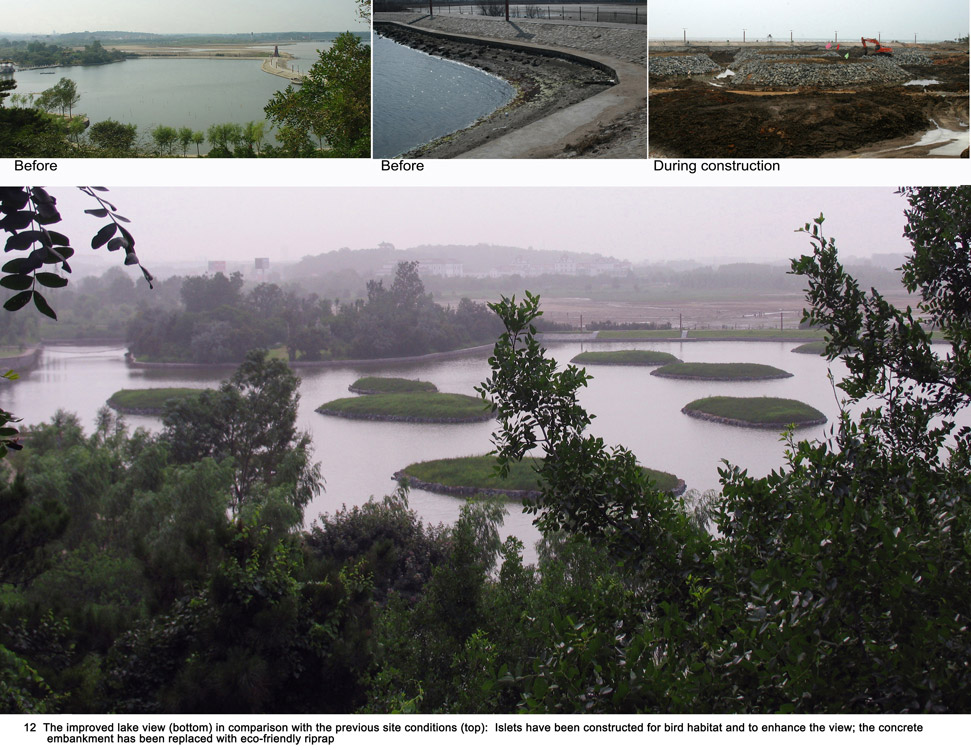
Turenscape utilized the construction debris to create bubble-shaped holes as a solution for managing rainwater. The bubble shaped water both retains natural water and creates habitats for the plant which also creates an environment for many birds to recover. This is a highly effective solution that does not require a high investment but still reserves the ecosystem which was a degraded place.
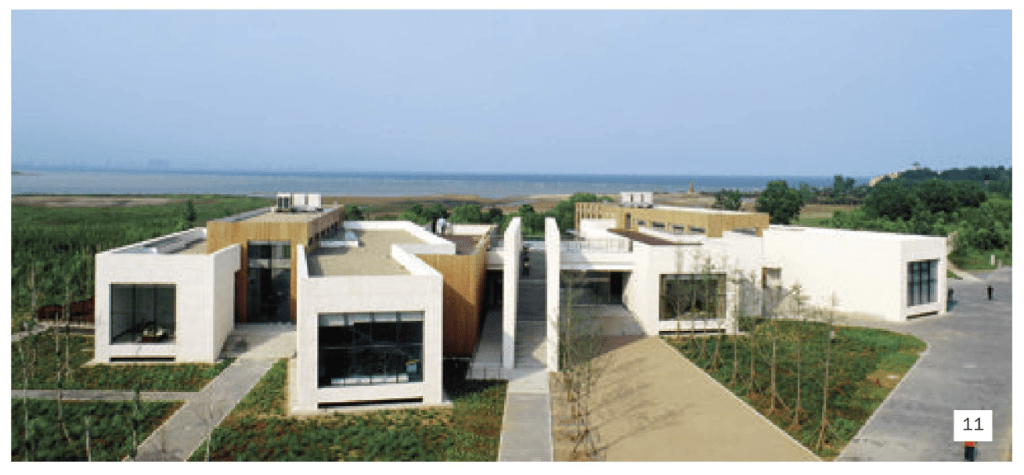
Moreover, instead of destroying and rebuilding the landscape, they allowed the architecture to blend seamlessly with it. Furthermore, they utilized the ocean breeze to cool the building during hot summer months (Landezine, 2012). This is a rather clever solution, optimizing energy consumption and minimizing CO2 emissions.
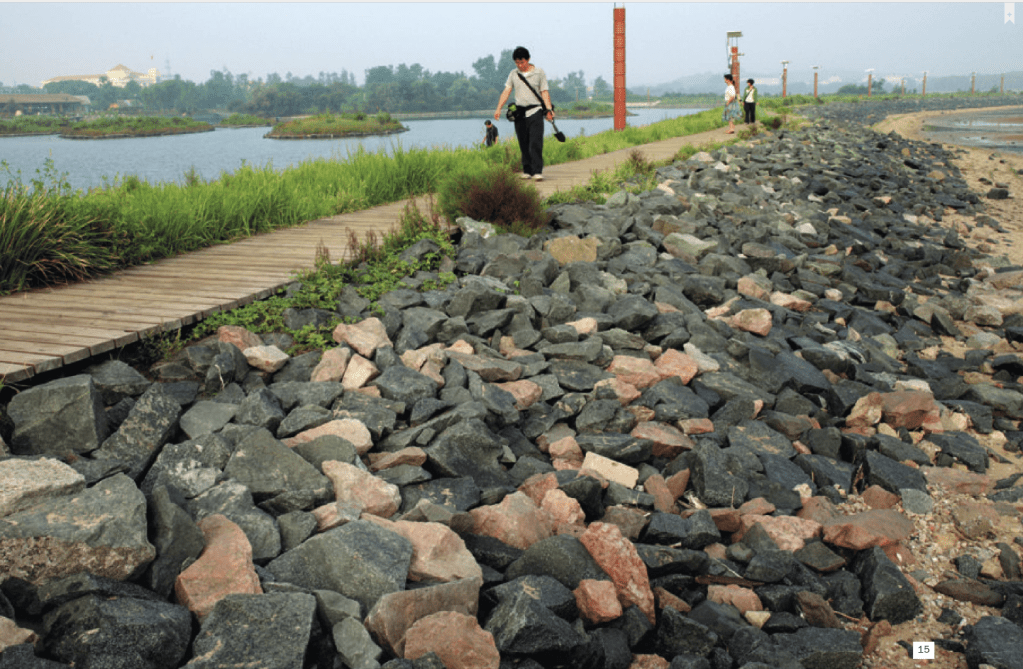
Especially, the old concrete wave barrier was renovated from not responding both ecological and aesthetical factors to meeting the requirements by using environmentally friendly rip-rap stone and native vegetation. This helped to decrease the coastal erosion and land degradation and also contribute to the local ecological restoration of the surrounding environment. Overall, this is a highly resilient design which made a strong impression by solving the problems of coastal erosion and degradation without losing aesthetic value.
Connection with my project: Overall, this project helped me gain ideas and research for building an erosion-resistant stone embankment for the coastal park. Integrating environmentally friendly materials and vegetation is truly a great idea, minimizing coastal erosion, providing a certain level of safety, and creating a green ecosystem for the surrounding environment in today’s urbanized era.
The Red Ribbon park and Quinhuangdao Beach have the same material choice for pathway, which was wood and fiberglass, but the Red Ribbon creates a visual focal point with vibrant colours against a green background than the contrast in Quinhuangdao beach. They all succeed in saving old, polluted places to become projects solving the climate problems, however, Quinhoangdao Beach has more supporting ideas for my project, such as using environmentally friendly rip-rap stone for wave barriers and walkway as erosion solution than the red ribbon. This does not mean the park is not necessary to analyse, it allows me to access the “Sponge City” concept in a different way, because the characteristics of the projects’ area are different. This shows that a sponge city can work in a diverse type of area in an urban city. Both the Red Ribbon Park and Qinhuangdao Beach gave me the idea that using the roughness of vegetation is the least disruptive solution to concrete construction for absorbing wave energy, preventing erosion, and creating calm waters where ecosystems can thrive. I wanted to keep the pedestrian walkways intact and not interfere too much, only using the surrounding vegetation to increase wave energy resilience.
In another way of using techniques, Kongjian Yu chose using low technique, nature-based solutions for solving the problems, while high technique was a choice of LAVA team and Aspect studio in dealing with issues. This creates a different mindset in facing climate change, both high and low techniques showing the benefits in using them.
Respond: Kongjian Yu
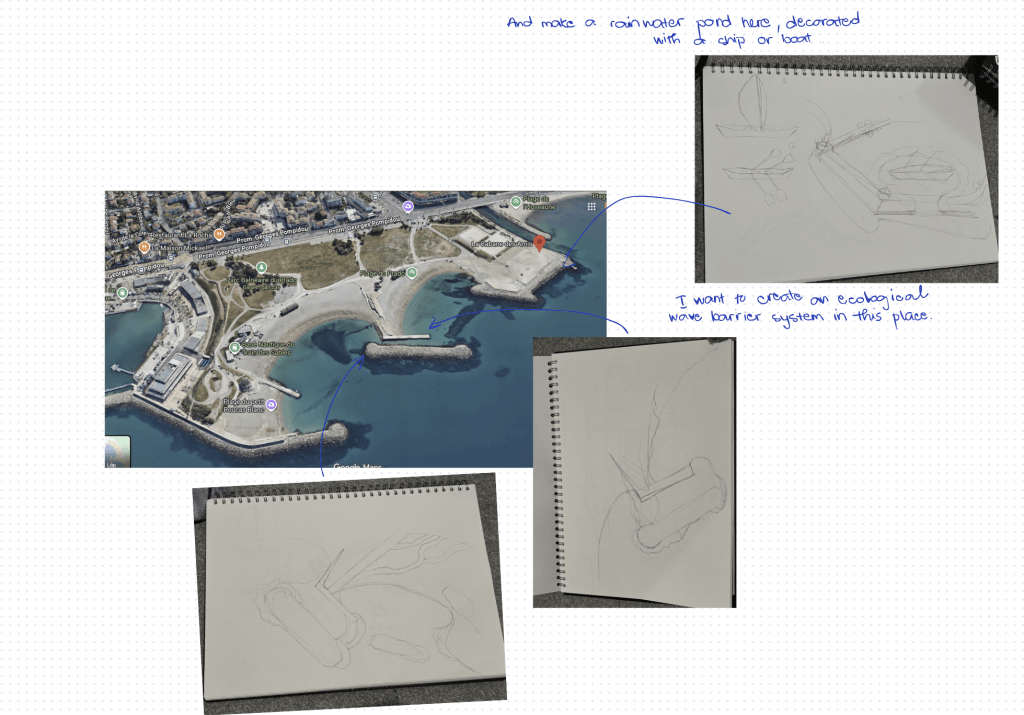
To respond, I apply the concept of sponge city for the park that can collect and keep the rainwater and also create a wave sheild system is connected by a green ecosystem to link the breakwater with the park.
I do not think that I am sketching well that people can understand. I think I will print the map out then skecth on it, so people can know what I want to in this area.
James Corner Field Operations
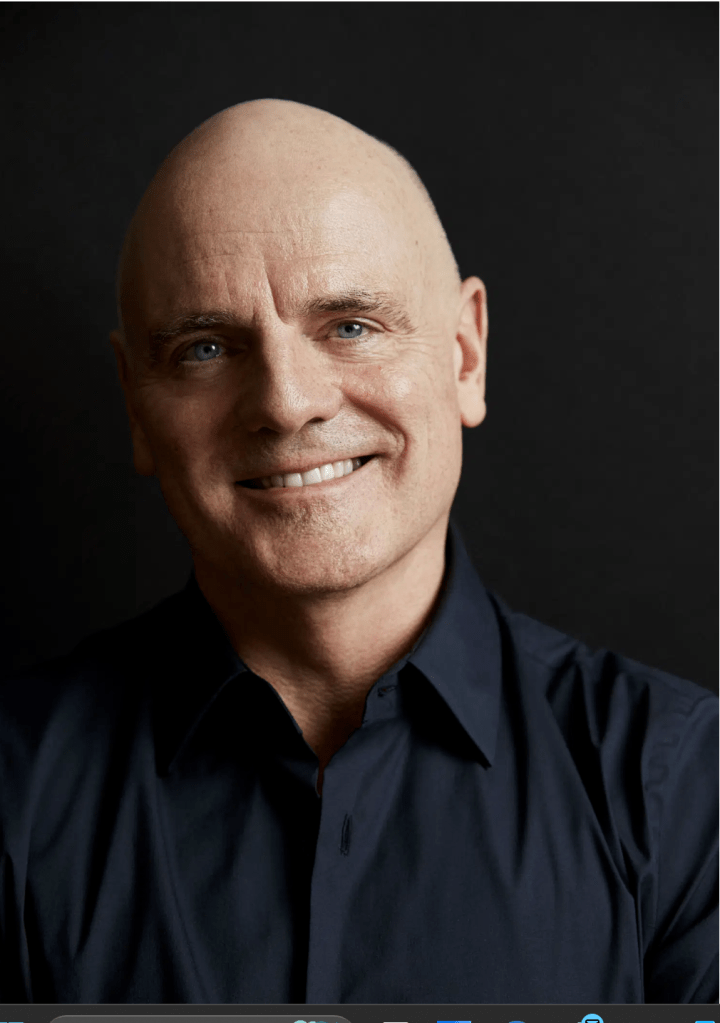
James Corner Field Operations
- Artist: James Corner (born in 1061)
James Corner is a founder of Field Operation, well-known for its ability to harmonize rigid infrastructure engineering with natural ecosystems. He has dedicated 40 years to the landscape architecture field and urbanism (Field Operations, n.d.). With his viewpoint, the landscape here is not only romantic with its lush green gardens or beautiful flowers, but also reflects the society, politics, and human existence on a planet where humans are bound by the laws of nature. He argued that landscape is not only decorating function for buildings, but it also provides infrastructure functions for the purpose of organizing city purposes in the modern era. Field Operation was founded in 1999; their projects aim to address ecological challenges and create value for the community such as redeveloping abandoned urban areas.
- Project: The High Line (In collaboration with Diller Scofidio + Renfro and botanist Piet Oudolf).
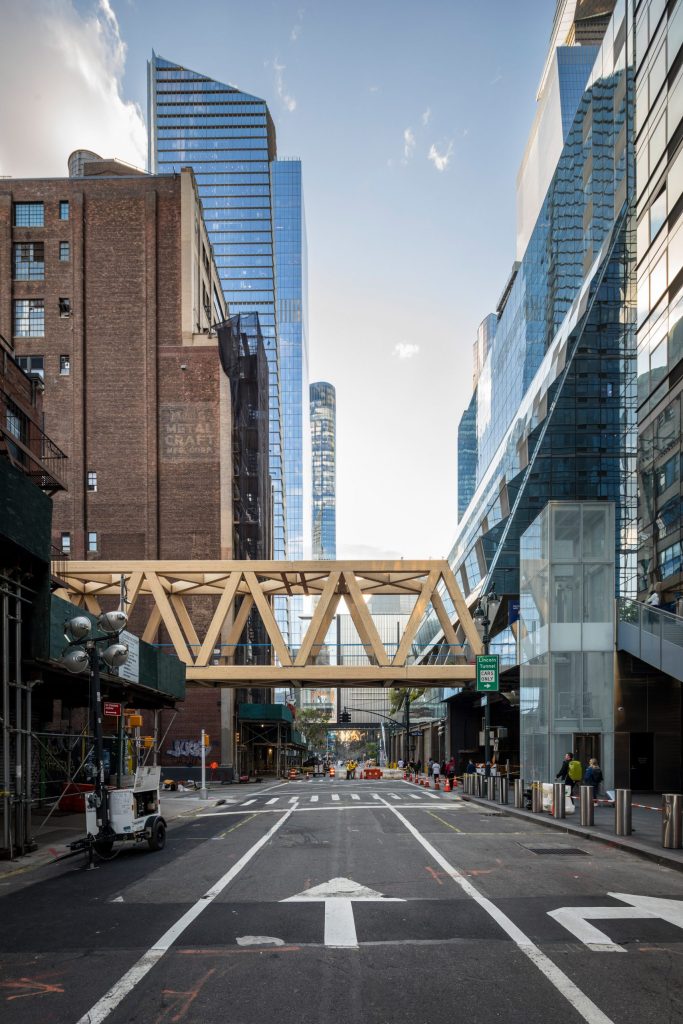
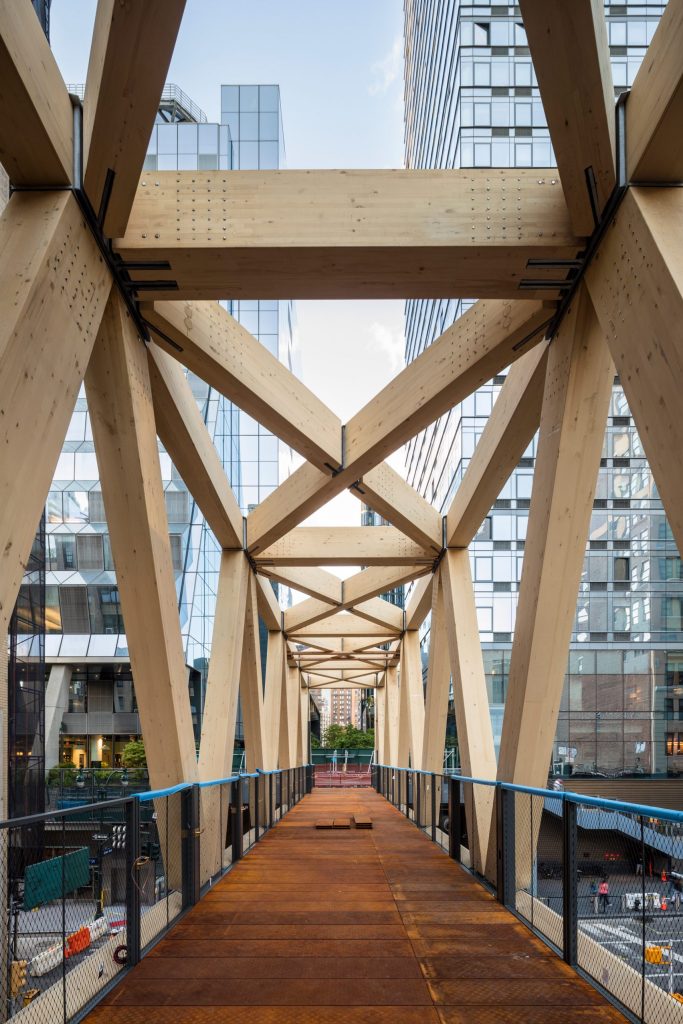
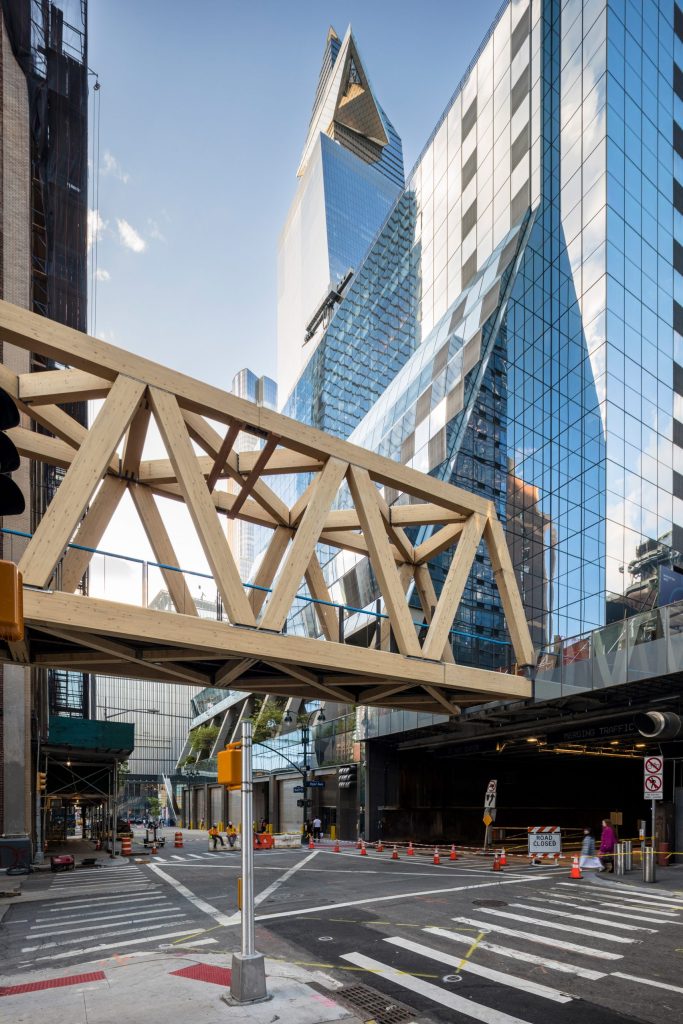
The project is about the transformation of an abandoned elevated freight railway into a linear park. The special point of this project is the bridge which connects Manhattan’s High Line to the renovated Penn Station. The bridge is supported by Y-shaped steel columns which have minimal connections to the ground to serve for the purpose of not disrupting traffic routes below (Mazade, 2023). The project includes a pair of bridges that both complement and contrast with the existing High Line structure. The Woodland Bridge which has deep raised beds allow for the planting of a lush green strip of trees, in parallel this bridge also provides places for visitors to view the urban landscape and streets below. The park’s elevated location creates a separation from the chaos of traffic below, providing a tranquil space. This creates an urban landscape picture that includes both dynamic and static elements, a harmonious combination. The natural factor of this part is the deep raised beds are constructed within the structure to support large trees and develop a lush landscape for birds and native pollinators. The green factor became an important factor in integrating natural elements into architecture, also blurring the boundaries between rugged architecture and the softness of nature. When the abandoned railway was covered by the green of nature, the design recreates that wild and resilient spirit of nature. It conveys that nature knows how to survive and reclaim space even in the heart of a concrete urban environment.
Connection with my project: I want to design a higher pathway as a bridge inside the park to guide the pedestrians to view the natural scenery. This allows people to immerse themself to natural scene such as the seascape, surrounding vegetation or the scene shows people walking below. Additionally, I want to use the Y-shaped steel columns for my design of bridge which can make minimal connection to ground for not destroying the land below.
Respond: James Corner Field Operations
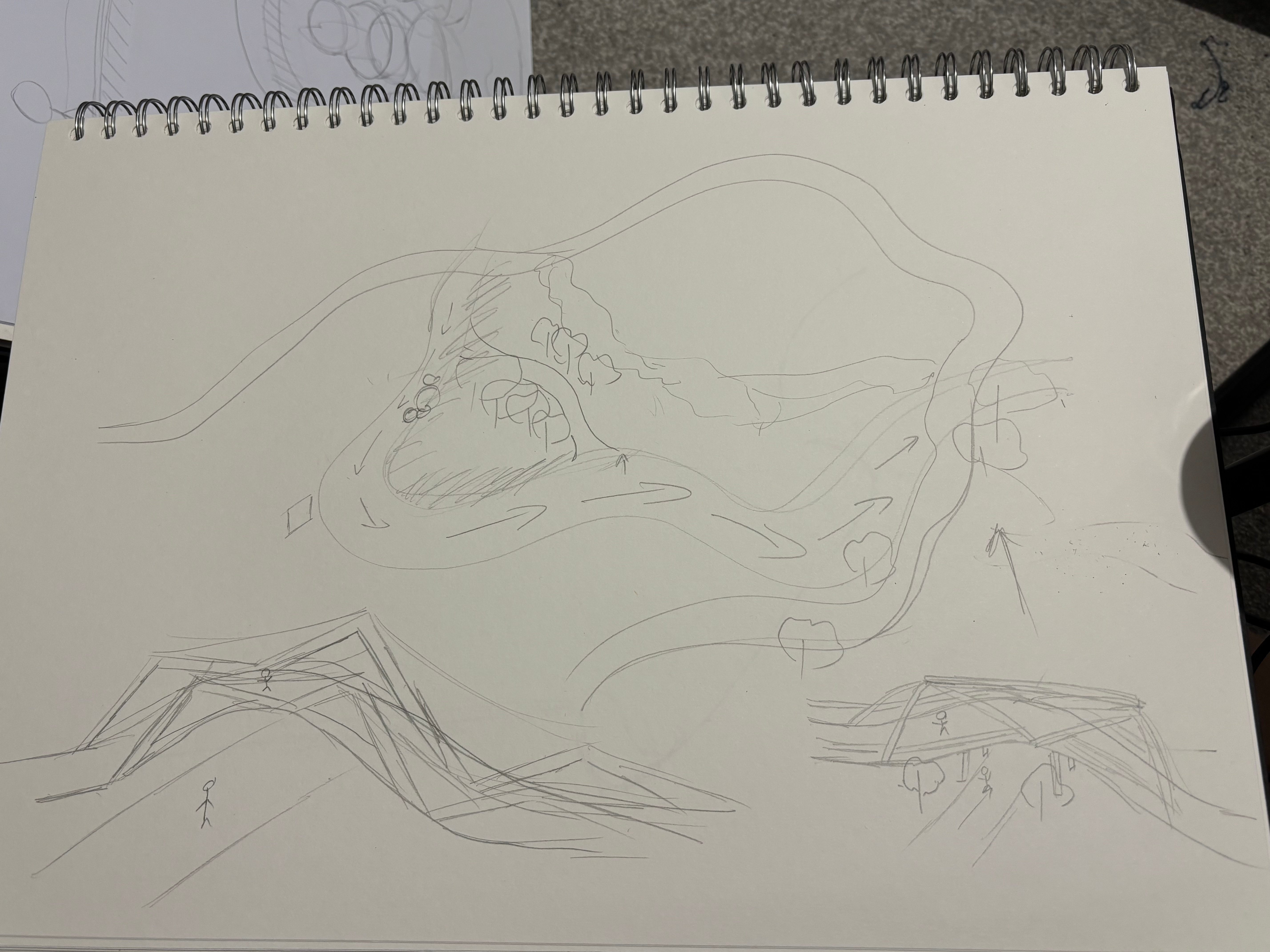
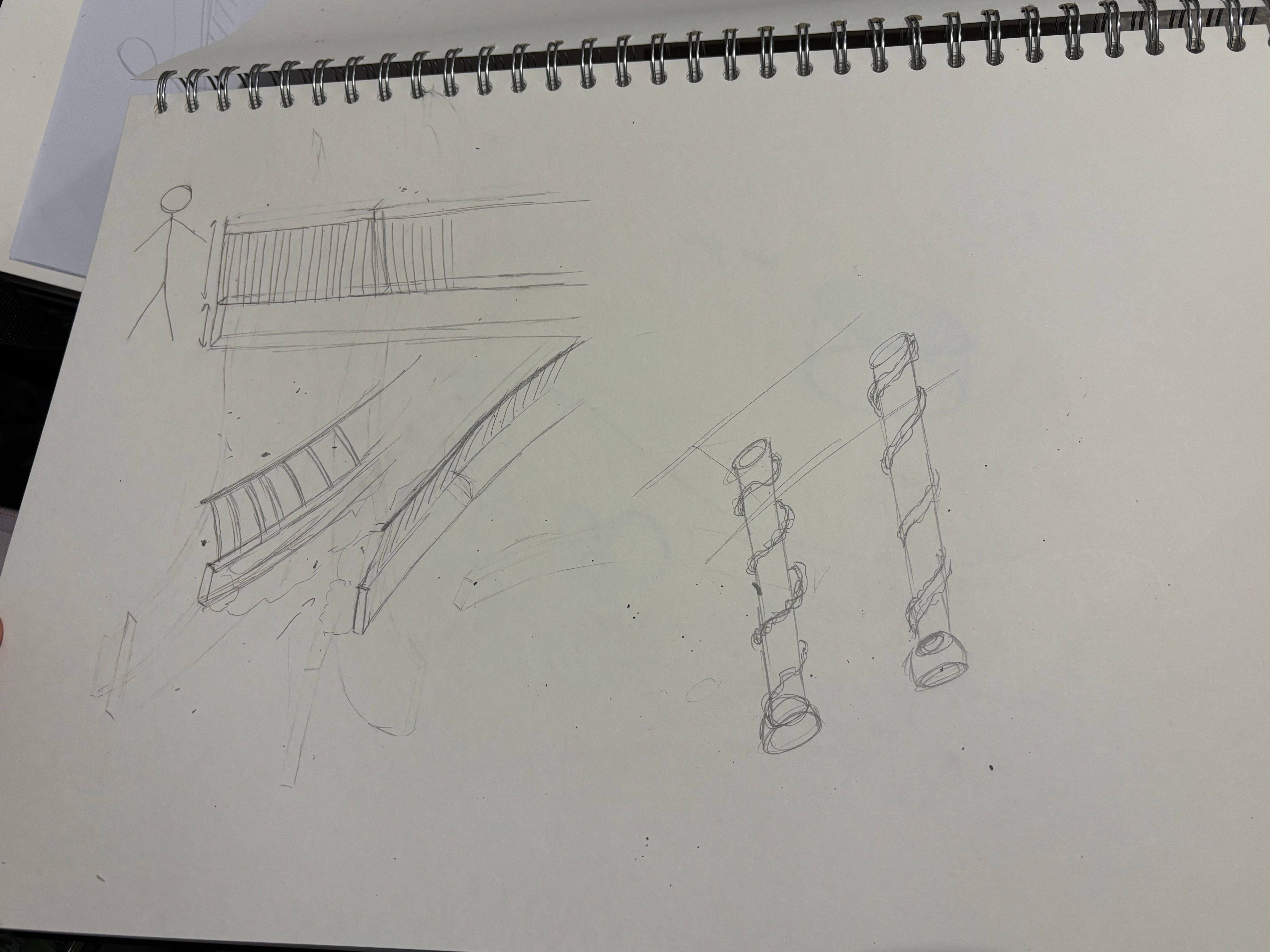
The elevated walkway is inspired by The High Line, a bridge construction project built on former railway tracks. This project inspired me to create a connection between people and the surrounding nature, with the paths winding powerfully across the hills throughout the park. It serves as a pathway leading people to immerse themselves in the landscape. Unlike Kongjian Yu’s two previous projects, I wanted this walkway to be elevated so that people could not only admire the surrounding vegetation but also the clear blue sea of the area.
West 8
West 8 is an international office, majoring in urban design, landscape architecture and infrastructure projects, and won many big prizes. The “Second Nature” concept of them is a vital factor of their design which is a blend of practicality and functionality with the respect of the nature of place. This serves that their design can provide the practical needs (water resource management, population growth, traffic congestion) and also reinforces the existing culture to which the building belongs through identity, symbolism, or expression (Skerl, 2024).
The reason why I chose West 8 for my research is that projects of this studio are turning the urban area into many vibrant multi-purpose parks. Plus, their projects are not only arranging green spaces, but also abstract art. They create artificial hills or undulating mounds, which is what distinguishes urban architecture.
- Project: Jubilee Garden
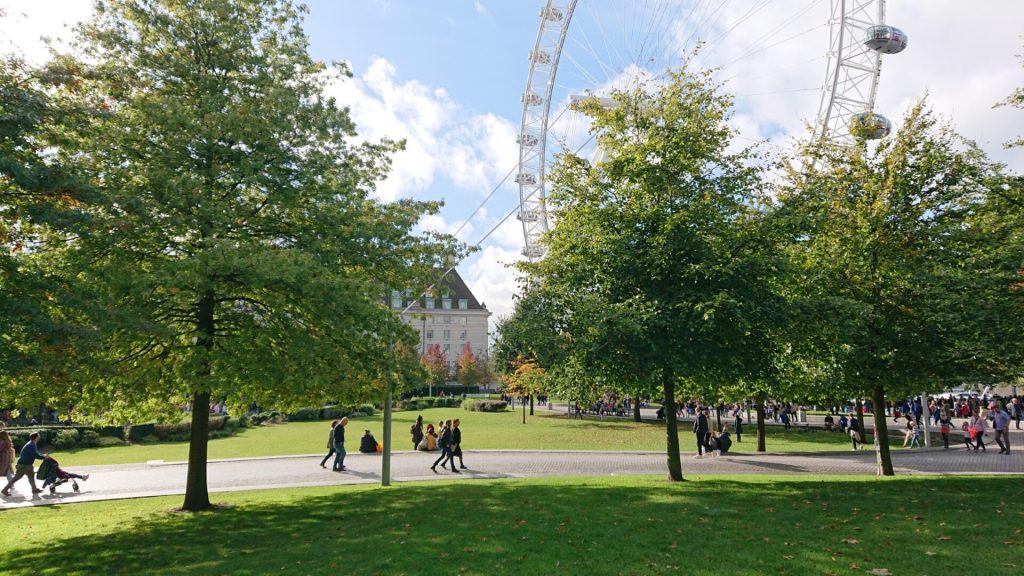
The Jubilee Garden is one of the park projects in urban areas of West 8. Unlike typical flat parks, the grass here is undulating into hills of varying heights. From a flat garden irreparably damaged during the construction of the Jubilee Railway to becoming a lush green oasis on the banks of the River Thames. This undulating terrain combined with the sharpness of the pathway made by granite stone create not only the guide way for people but also the forming seamless long benches. This is a multi-functional park which includes tranquil picnic areas, children’s playgrounds, walking paths, or riverside spaces for hosting large events. This serves the crowds but still provides private shelter areas for refreshing and immersing themself into the natural atmosphere amidst the hustle and bustle of the city as London. This artwork proves that landscape architecture is not only designed and set in the flat terrain but also developed in the undulating place.
Connection with my project: I want to design undulating mounds as Jubilee Garden which make a soft vibe for an overall place and also increase the soil depth to plant big trees for more shade. Plus, using granite for pathways also creates a harmonious relationship between the softscape and hardships cape of the park which I can add in my project.
Comparing this project with the High Line of James Field Operation: Both projects involve restoring and developing a barren, abandoned area to be a green public area available for citizens’ surroundings. While Jubilee Garden has undulating mounds on a wide square for its focal point, the High Line includes a sturdy linear, elevated, narrow, and long architectural structure. Besides the purpose of these projects are also different when the High Line promotes people to walk and view the urban landscape, Jubilee Garden wants people to have a place of resting or relaxing among the crowded cities. This creates a totally different way people used the areas for both developing and building them, but they all have one main purpose is to bring people closer to the environment and save the environment in nowadays urbanism era.
Respond: West 8
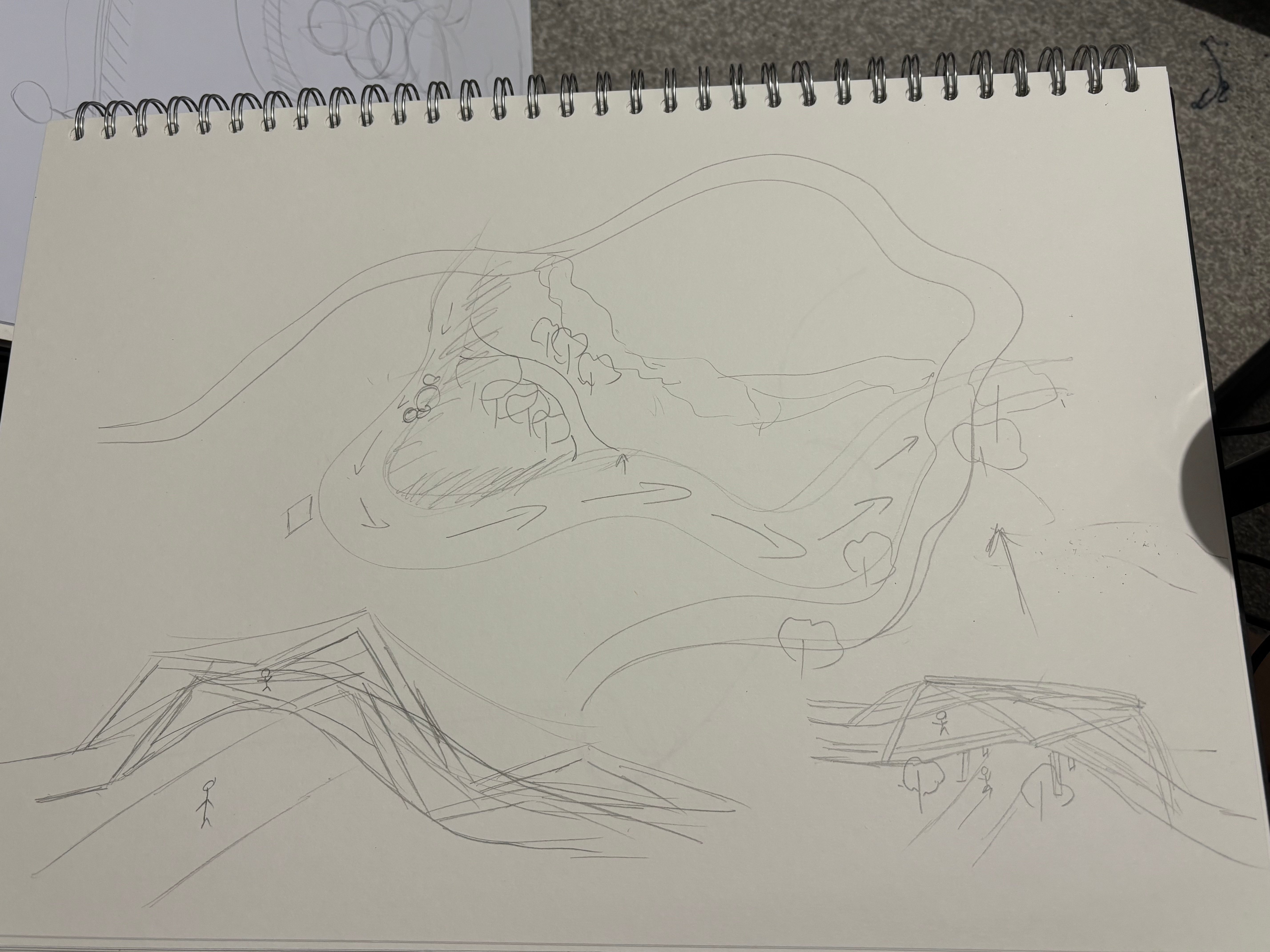
The artificial windbreak hills, built high and undulating, create a characteristic softness for the overall park. I wanted it to be different from the square buildings of the city behind it, creating a unique rhythm for Prado Park.
 Phuong Vi Nguyen