
Week 6&7: Research Development for the project (Pavilion)
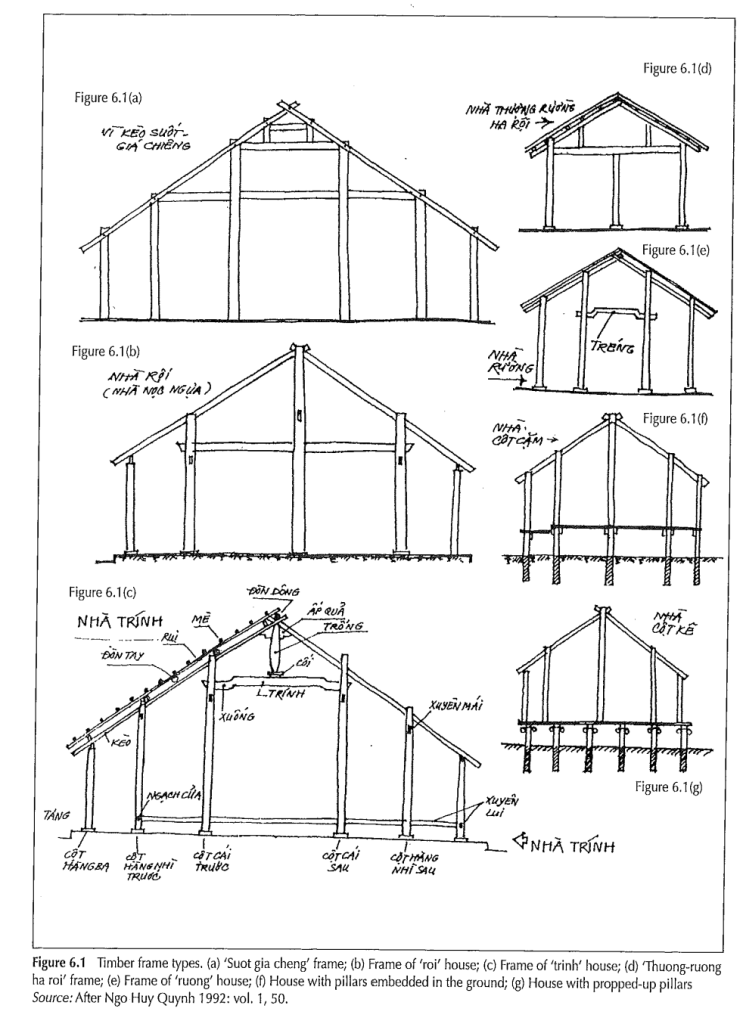
These are some structure of old Vietnamese houses which influenced me in my designs especially figure 6.1 (f) “Nhà Cột Cặm” structure influence me in builing the free-standing structure for my pavilion. As the figure, we can see that the house posts are set into the ground rather than resting on the surface of the vegetation which can satisfy the requirement of “not interfering with the landscape” of Jardin d’Agronomie Topicale (The site of my project).
Research Essay Draft:

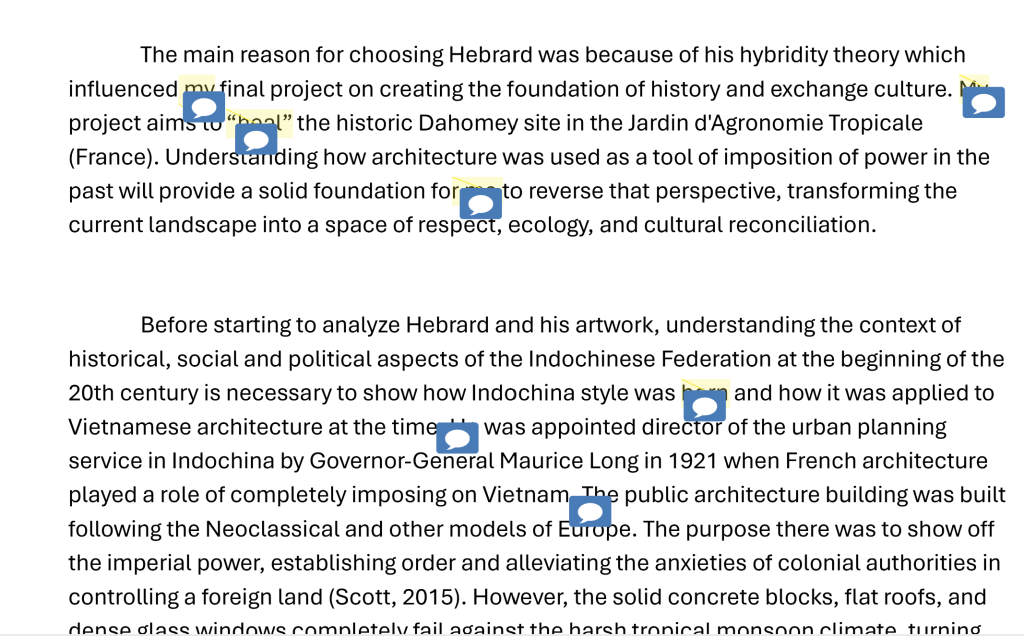
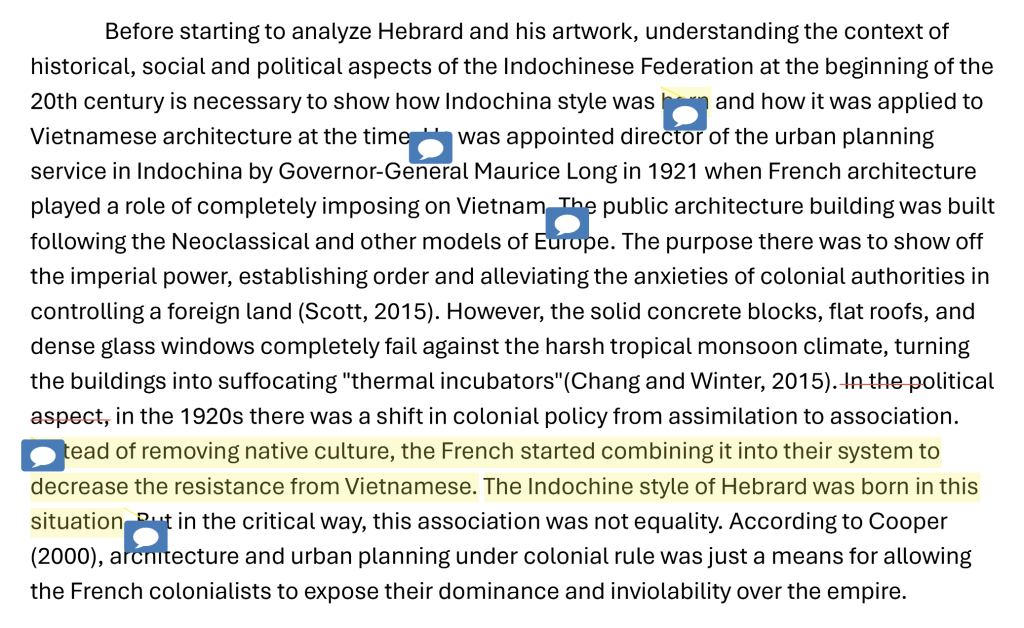
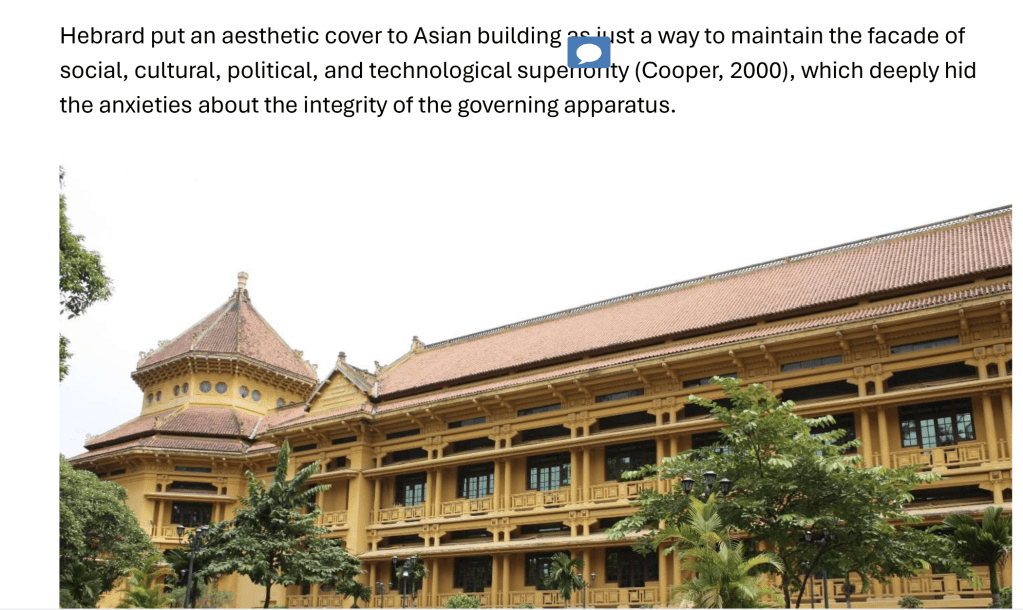
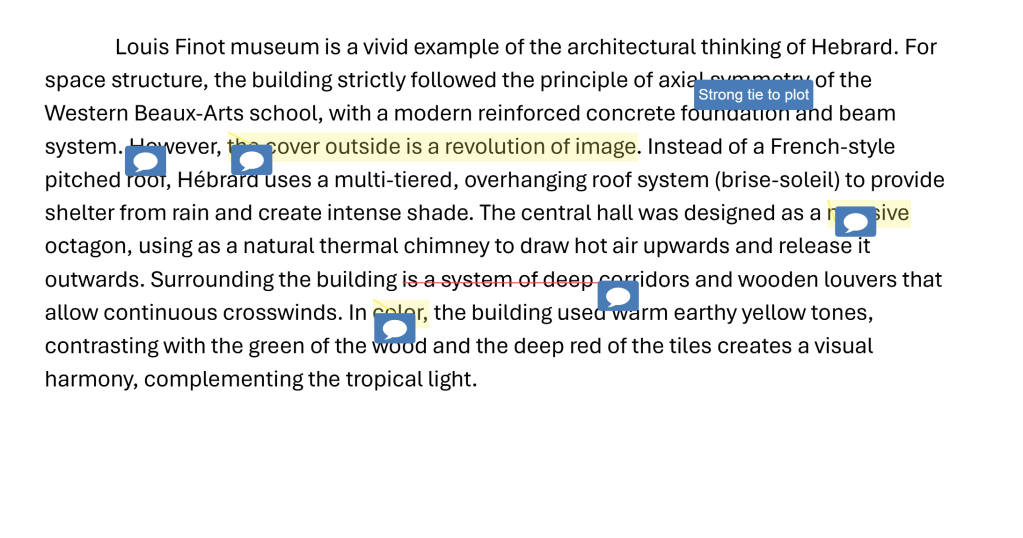
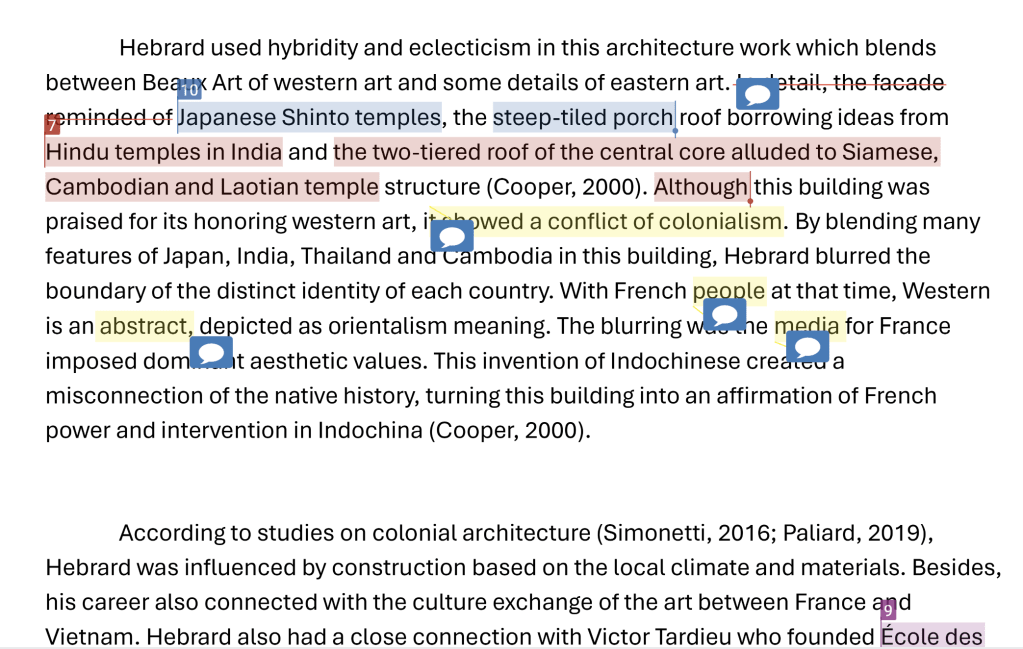
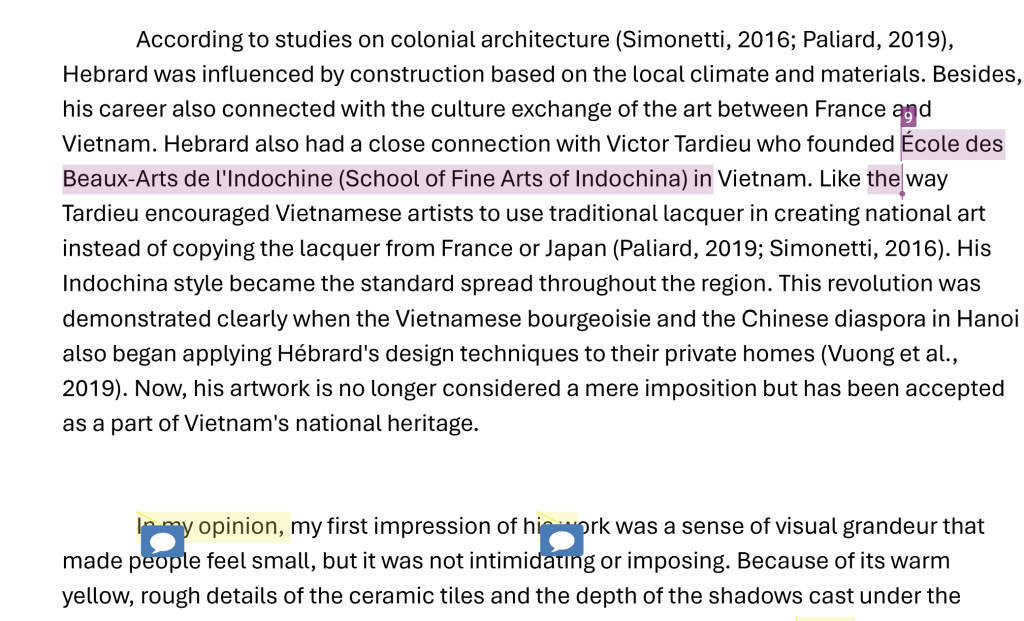
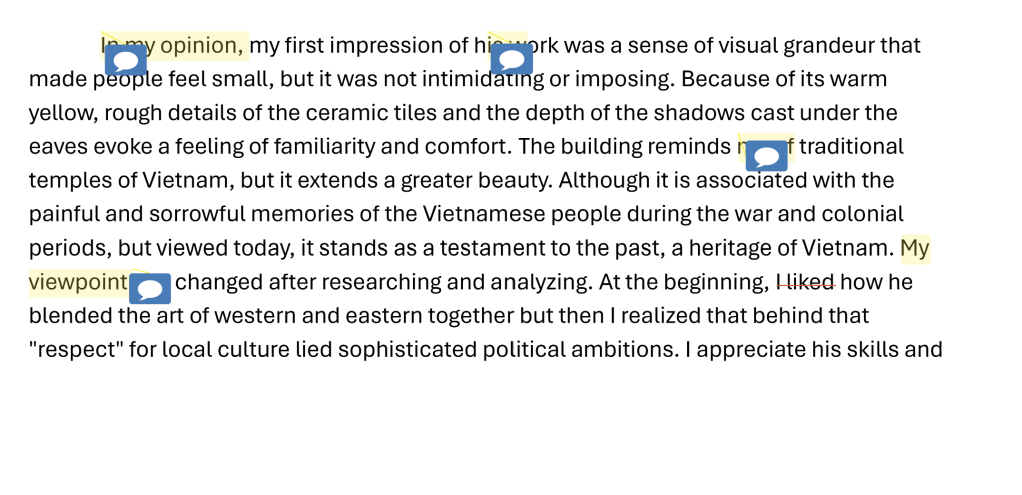
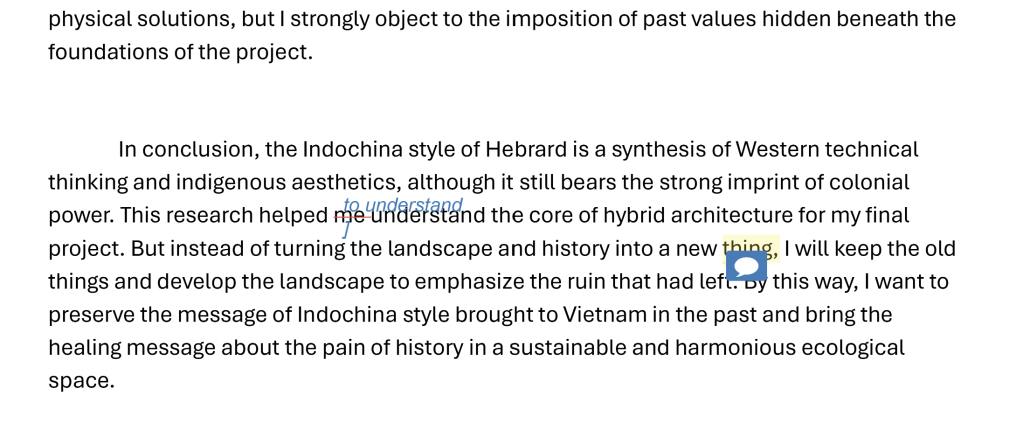
After gainning feedback, I realised that most of my mistakes is about spelling and using the wrong words which can cause wrong meaning. I wrote the essay while translating my own language into english, eventhough I understood and wrote with my knowledge, when translating another language to another language can cause wrong meaning. Plus, I need to write my essay in the third person (the author) becuase It will be more professional and suitable with the content of my essay.
After feedback:
Research on Sinosphere Country
After research on the chinese influences on Vietnamese Architecture, I dis a small research on the connection of language between sinosphere country (China, Korea, Japan and Vietnam). I just focus on how Chinese and Vietnamese connected together.
Keeley, T. (2026). The Sinosphere Explained Why Chinese, Japanese, Korean & Vietnamese Connect. [online] Youtu.be. Available at: https://youtu.be/szHbQ0oZJms?si=8hX1PSqmaCHpY30l [Accessed 29 July 2026].
For nearly a thousand years, Chinese characters (whether Classical Chinese or Chữ Nôm) served as the official script for government administration, literature, historical records, and legal documents in Vietnam. The Vietnamese language has inherited a vast amount of Sino-Vietnamese vocabulary. This shared linguistic foundation fosters a common system of academic and conceptual terms, enabling learners to easily recognize and connect with other languages within the Sinosphere.
To represent the Vietnamese language more directly, the Vietnamese people developed Chữ Nôm around the 13th century, a writing system that combined Chinese characters with newly created ones to convey the sounds and meanings of native Vietnamese. The transition to the Vietnamese national script (Chữ Quốc Ngữ ) (based on the Latin alphabet) began in the 17th century and became mandatory during the French colonial period. This marked a major turning point, ending reliance on Chinese-based scripts and paving the way for the spread of education and the modernization of Vietnamese culture.
In summary: Although Vietnamese has shifted to the Latin script, the legacy of Chinese characters remains deeply embedded in the language’s vocabulary and the Vietnamese people’s linguistic mindset, constituting a vital part of the nation’s cultural history.
- Thus, the cultural interplay evident in the Vietnamese writing system demonstrates that the cultures introduced to Vietnam throughout history did not eradicate one another but instead coexisted. I think the Chinese language also had a big influence in the development of Vietnamese Architecture which showcased in Iron Wrought which I analysis before.
Research Essay:

