
Week 8: Art Movement
This week, I was introduced many Art Movement (Dada Art Movement and Arte Povera Art Movement)
Dada Art was formed during the World War I (1919) in Zurich in negative reaction to the horrors and folly of the war. The art, poetry and performance produced by dada artists is often satirical and nonsensical in nature. In addition, Dadaism also stood against the bourgeoisie and shared political views with the radical left.
Characteristics of Dadaism: Dada artists experimented with a wide range of media from collage and photomontage to everyday objects and performance, challenging conventional notions of how art is created and viewed, as well as the materials that could be used.
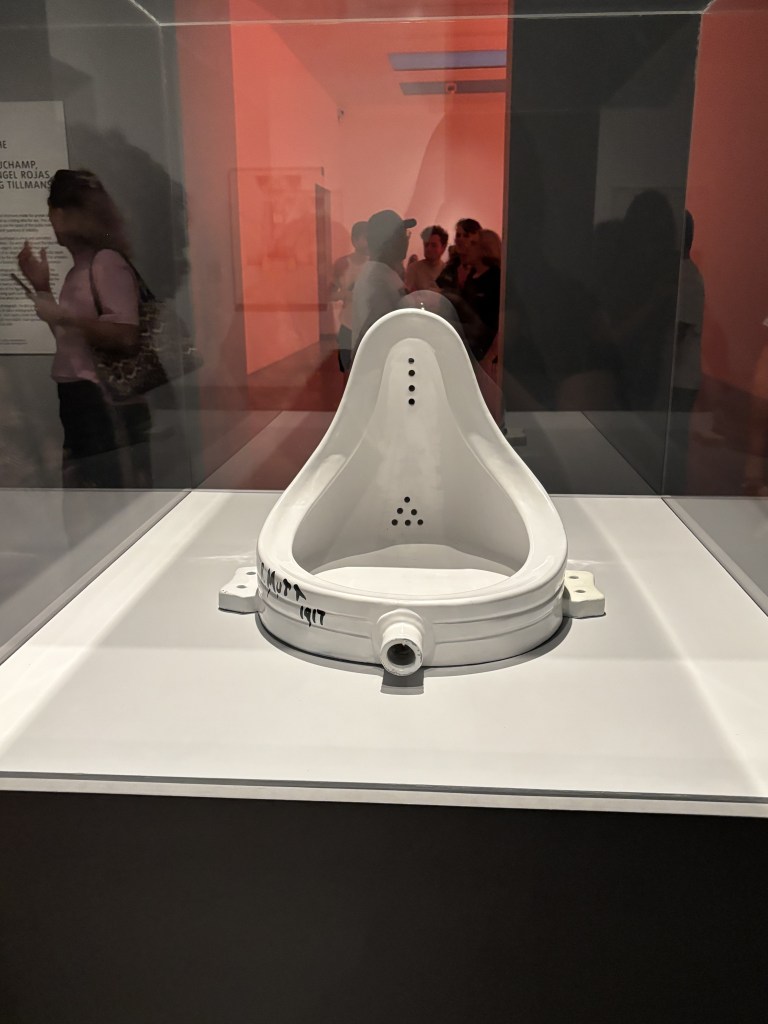
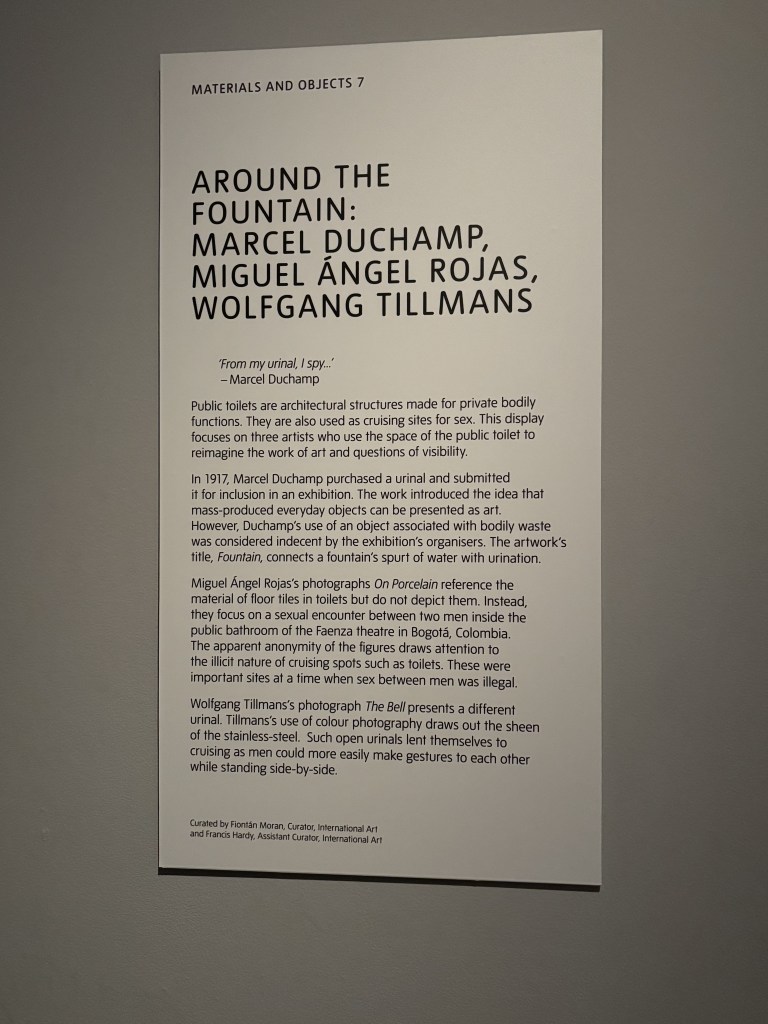
Iconic work of Dadaism: AROUND THE FOUNTAIN – MARCEL DUCHAMP
This is the 1917 work Fountain by artist Marcel Duchamp. In reality, it is simply a porcelain urinal turned upside down. It suggests to me that Duchamp completely discarded the traditional requirements of art, namely craftsmanship, aesthetic beauty, and emotional expression. “Art” was no longer a physical object, but rather an intellectual choice made by the artist. This concept asserts that anything can become art. Personally, however, I do not care for such works; I feel that themes of sexuality and gender can be expressed in far more eloquent and profound ways.
Reference:
MoMA (n.d.). Dada. [online] The Museum of Modern Art. Available at: https://www.moma.org/collection/terms/dada [Accessed 28 July 2026].
Tate (2017). Dada. [online] Tate. Available at: https://www.tate.org.uk/art/art-terms/d/dada [Accessed 28 July 2026].
Arte Povera Movement – Art Povera means “poor art” in Italian. It was an Italian art movement spanning the late 1960s through the 1970s, in which artists explored various unique processes and non-traditional, “everyday” materials.
Reference: Tate (2017a). Arte povera. [online] Tate. Available at: https://www.tate.org.uk/art/art-terms/a/arte-povera [Accessed 28 July 2026a].
After exploring many art movements, we were told to prepare a presentation about art movement we chose. I chose Eco-Art because it is related to my project.
1.What is eco art??
Eco-art is an art movement which includes a wide range of artistic expressions that explore and respond to the environment issue, climate change, and ecological sustainability.
Eco Art is a contemporary art movement that focuses on the network of interdependent relationships within our living environment. The term emerged in the 1990s to describe artistic practices that had begun to take shape in the late 1960s. The movement’s core objective is not merely to reflect nature, but to directly rehabilitate, restore, and heal damaged environments.
2. Characteristic of Eco-Art
- Eco-art focuses on the web of interdependent relationships within the environment, encompassing the physical, biological, cultural, political, and historical aspects of ecosystems.
- Artists often utilize natural materials or engage directly with environmental forces such as wind, water, or sunlight. The resulting works aim to rehabilitate, restore, and heal environments that have been damaged.
- Eco-art serves to inform the public about ecological dynamics and the environmental challenges we face.
- These practices help reimagine ecological relationships, thereby proposing new possibilities for coexistence, sustainability, and healing.
3. Who created the movement? No single individual “created” Eco Art. It was a collective movement.
4. What influenced the movement? Eco Art evolved from the Process Art and Earthworks movements of the 1960s. However, it challenged the intrusive interventions into the landscape characteristic of Land Art.
5. What were the social and cultural impacts of this period? The rise of Eco Art stemmed from the global crisis surrounding unsustainable development, climate change, and the mass extinction of species. Socially, it served as a form of resistance against the capitalist economic system which prioritizes consumerism and a modern model of the competitive, isolated self, championing instead a spirit of collective stewardship and the management of shared resources.
Ian McHard (1920-2001)
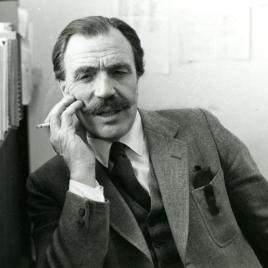
He was a scottish landscape architect, planner, and educator, best known for his landmark book Design With Nature (1969). Founder of the Department of Landscape Architecture at the University of Pennsylvania
- Technique: popularized ecological planning as a method integrating natural systems into design. McHarg’s method prefigured GIS, mapping soil, hydrology, and vegetation to guide planning decisions.
Project: The Plan for the Valleys (1964): A project to plan a new urban community on the wetlands north of Houston, USA.
Historical Influence: Created during the post-WWII suburban housing boom in the United States, a period characterised by rapid, unchecked urban sprawl of natural landscapes to accommodate the automobile.
Social Influence: The project responded to growing community resistance against destructive development. It empowered local residents by providing a scientific framework to protect their environment from aggressive real estate speculation, fostering a new sense of civic environmental responsibility.
Cultural Influence: It marked a profound cultural shift in Western planning,moving away from the modernist ideology of conquering nature with engineering, towards a paradigm of collaborating with natural systems
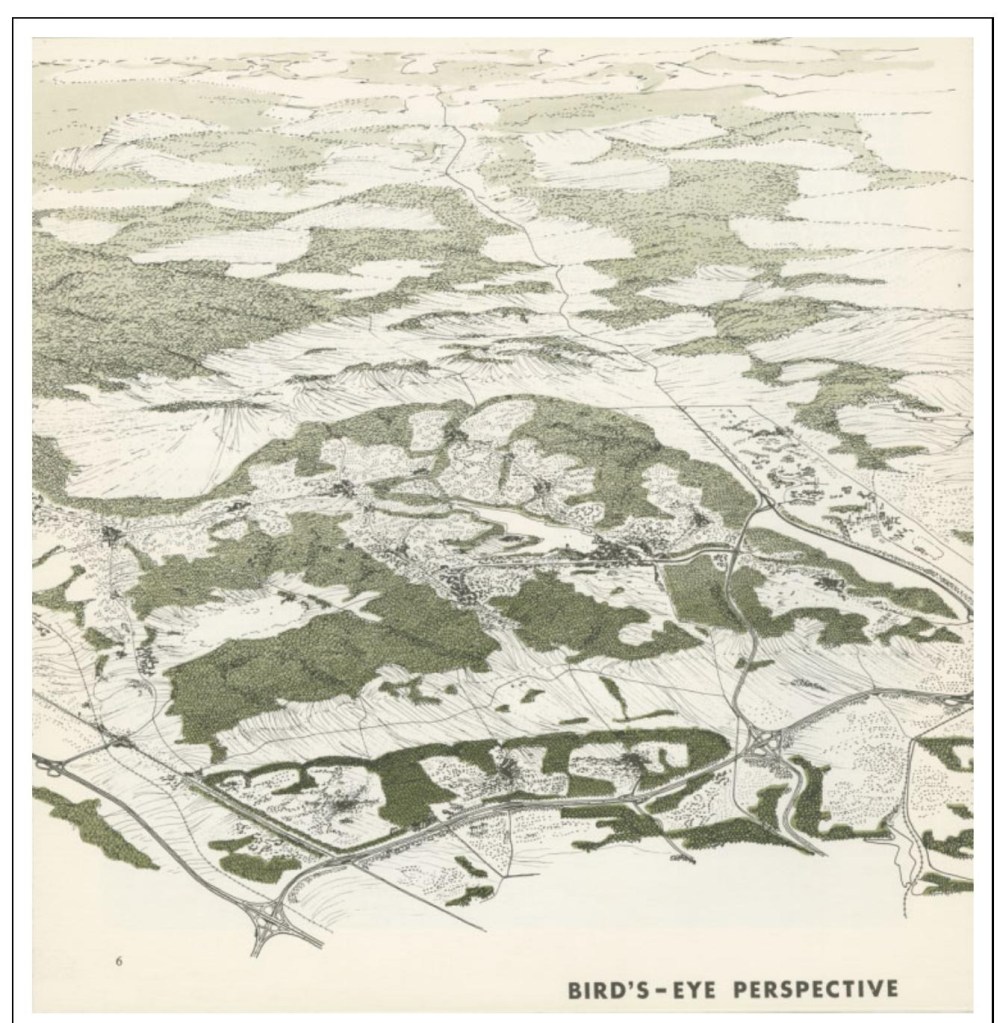
Ian McHarg employed a method he termed “ecological determinism” to guide spatial design. This process involved a rigorous inventory of natural processes,including hydrology, soils, geology, and meteorology, to identify optimal locations for both land development and conservation. Instead of planning based on administrative boundaries, McHarg used topographic and hydrological maps for zoning, preserving valley spaces and primary forests as “green infrastructure”. This reflected clearly the eco-art movement in Ian McHarg’s pieces of work which solve macro-environmental issues.
His ecological determinism influenced me alot in how I want to develop my project. Analyzing and fully understanding the nature of the development area is essential for formulating development plans. Furthermore, I find the “green infrastructure” approach highly suitable for developing areas where existing gardens or forests need to be preserved, as it relies entirely on natural elements and the site’s existing structure, thereby minimizing environmental impact.
Project: The Woodlands (1970)
Historical Influence: Developed just before the formal establishment of the US Environmental Protection Agency (EPA), this project served as an early, radical prototype for the environmental regulations that would soon define the 1970s.
Social Influence: Houston’s rapid expansion was making the region increasingly vulnerable to severe flooding and subsidence. The Woodlands addressed the social need for safer, resilient housing environments that did not externalise flood risks to neighbouring communities.
Cultural Influence: The project proved that environmentalism and commercial real estate development could successfully coexist. It brought ecological awareness into mainstream American culture, proving that living nature was not just a fringe ideal, but a viable, profitable, and desirable lifestyle.
A project to plan a new urban community on the wetlands north of Houston, USA.
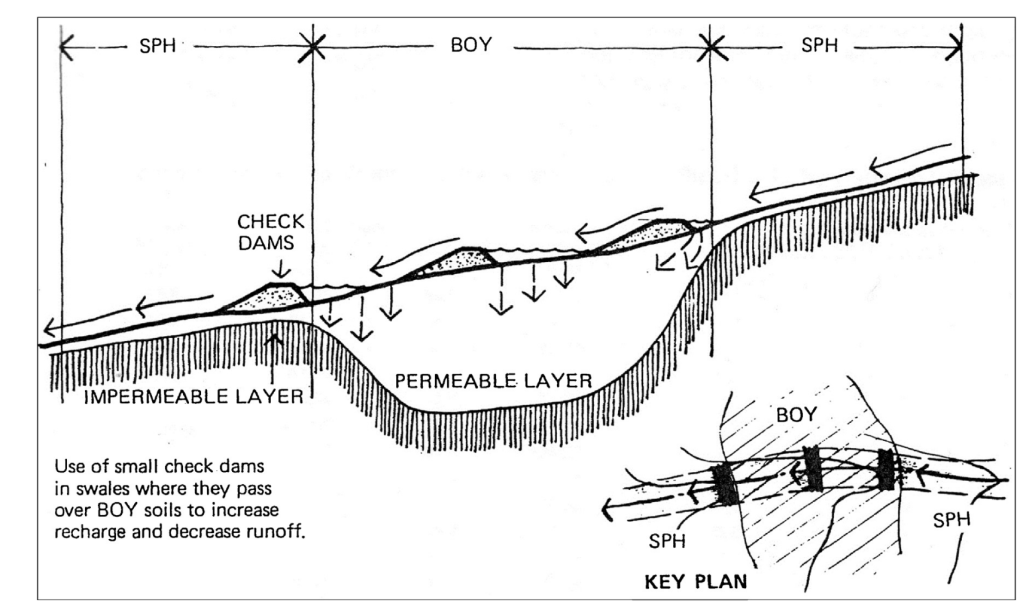
Instead of leveling the site and constructing costly concrete drainage systems, McHarg identified the natural hydrological system as the area’s backbone. He retained the existing ditches and vegetation to serve as an ecological drainage system, effectively mitigating surface runoff and controlling flooding. The design process employed the layer-cake mapping model to determine land suitability and address highly interconnected regional issues, such as aquifer recharge and flood mitigation.
Roberto Burle Marx (1909-1994)
A Brazilian landscape architect, artist, and ecologist who introduced modernist landscape architecture to Brazil. A pioneer of rainforest conservation, he discovered and cultivated many plant species, some of which bear his name.
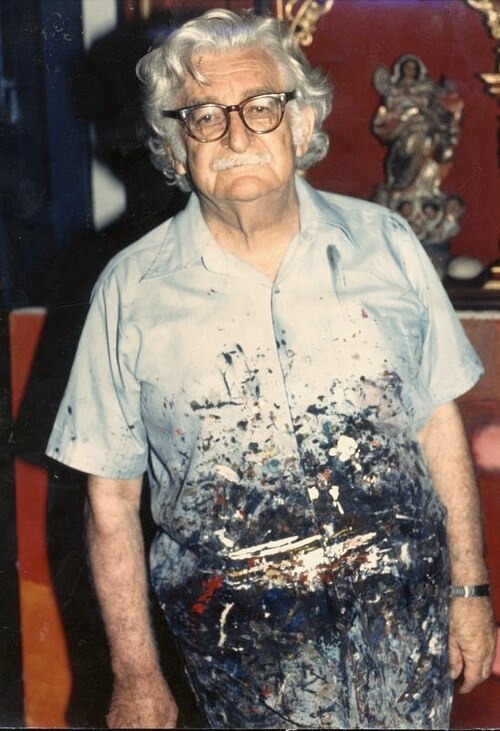
From the 1930s through the 1990s, Burle Marx’s work anticipated many contemporary concerns regarding sustainability and urban well-being. He advocated for the use of native plant species, recognizing their role in creating self-sustaining ecosystems that require minimal intervention. His projects frequently transformed neglected urban areas into vibrant, ecologically balanced spaces that not only improved the environment but also enhanced the quality of life for city residents.
Project: Sítio Roberto Burle Marx (Rio de Janeiro, Brazil)
Historical Influence: during the Brazilian Modernist movement (1930s onwards), a period where the nation was actively shedding its colonial past and seeking a distinct, independent national identity.
Social Influence: The Sítio acted as a vital sanctuary and research hub during times of deforestation in Brazil. It educated the public and professionals alike on the immense value of biodiversity, directly influencing modern conservation policies.
Cultural Influence: Burle Marx dismantled the colonial “cultural cringe” which dictated that European imports (like roses and oak trees) were superior. By elevating the native tropical biome to the status of high art, he instilled a profound sense of cultural pride in Brazil’s natural heritage.
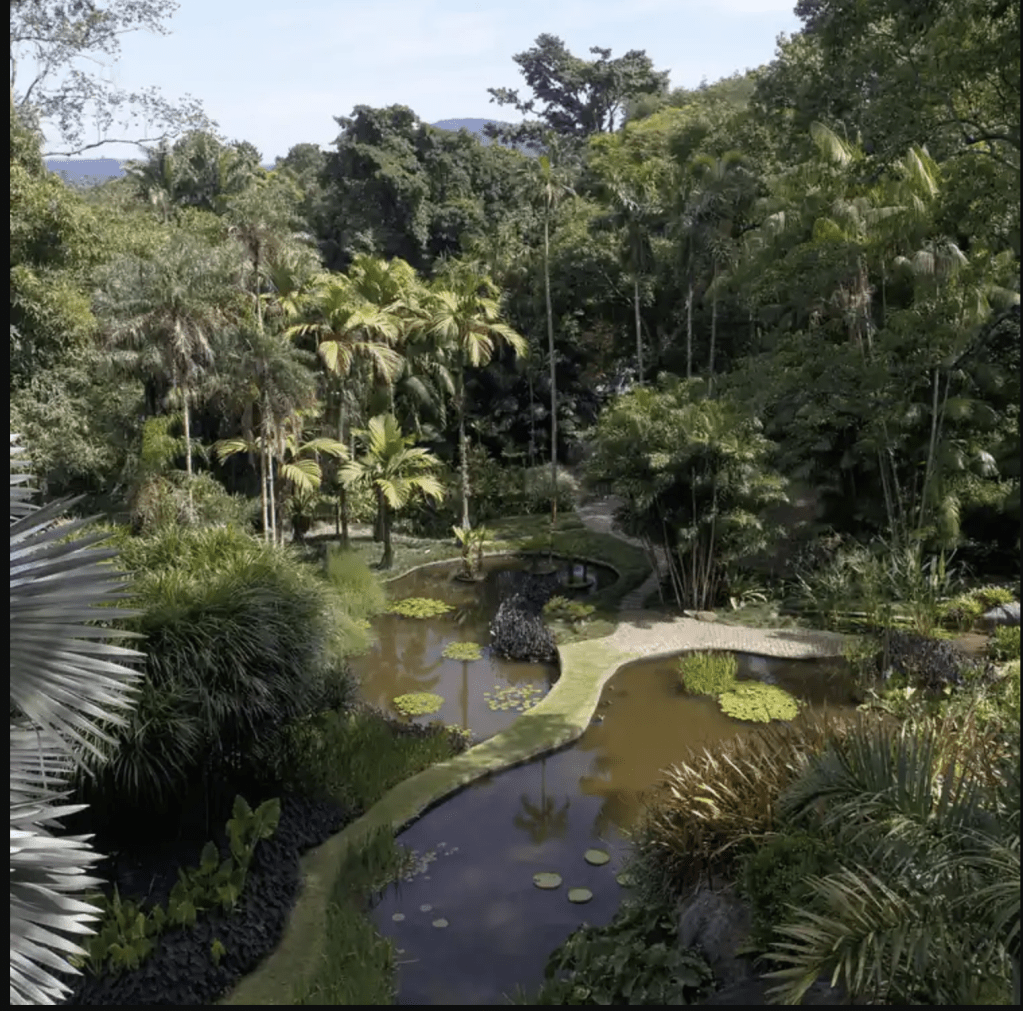
His own vast estate (now a UNESCO World Heritage Site), where he cultivated and studied over 3,500 species of tropical plants.
This is not merely a garden but a “living ecological laboratory.” At a time when Brazilian landscape architecture was dominated by exotic species imported from Europe, Burle Marx completely transformed the prevailing ideology by pioneering the preservation of native tropical flora. The form of the urban area is entirely molded and defined by this void, creating a truly organic structure.
Project : Parque del Este (Caracas, Venezuela)
Historical Influence: Designed during Venezuela’s mid-century oil boom, which triggered explosive urbanisation, rapid economic growth, and the wholesale modernisation of Caracas.
Social Influence: The park provided a democratic, unifying public space in an increasingly dense, fast-paced city. It addressed the psychological and social need for accessible recreation and tranquility amidst rapid industrialisation.
Cultural Influence: It exemplifies a confident Latin American modernity. By applying abstract, Modernist artistic principles (such as those found in Cubism or De Stijl) to living, indigenous plants, Burle Marx created a unique cultural synthesis of global avant-garde art and local ecology.
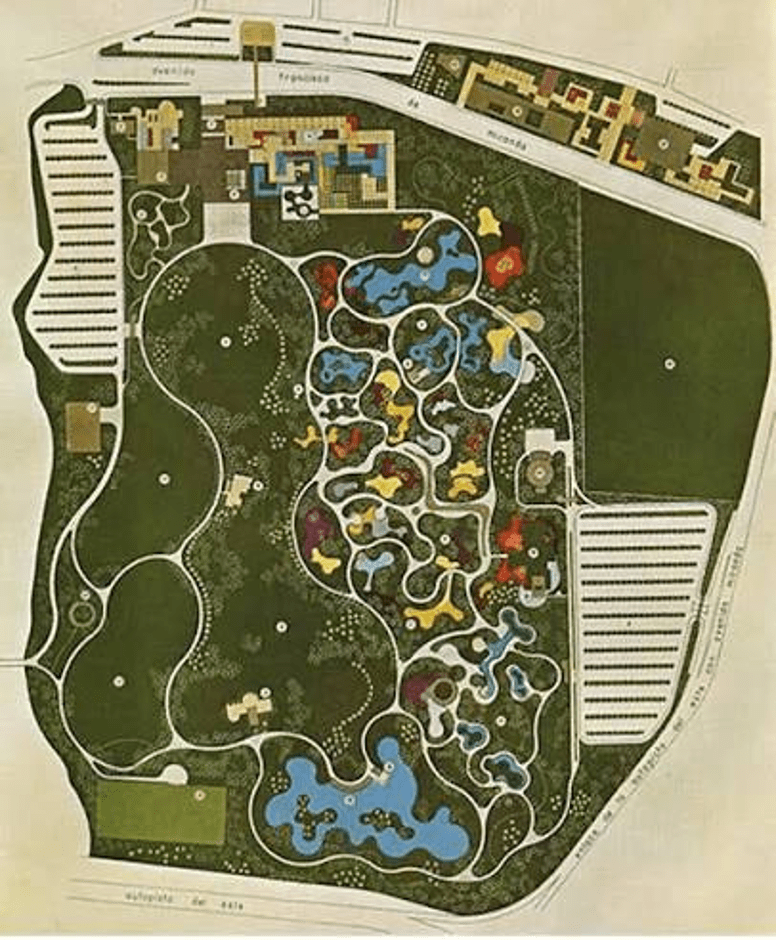
A 200-acre public park that blends vibrant swaths of native tropical plants with geometric courtyard spaces.
The project combines structural forms such as courtyards and reflecting pools with a “color-blocking” approach to vegetation layout. Rather than scattering plants, the designer grouped them by species into large masses to create a powerful visual impact, transforming the natural landscape into a Modernist composition while simultaneously fostering stable urban microclimates.
Joseph Beuys (1921-1986)
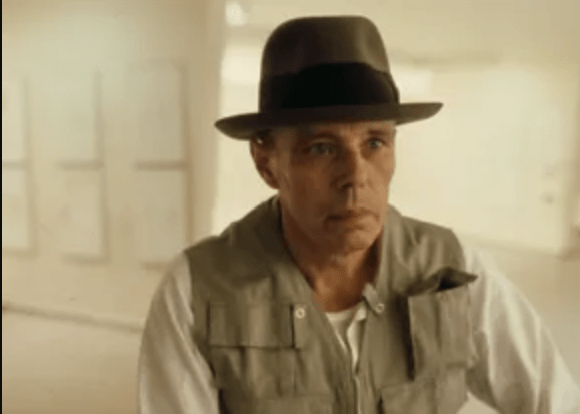
He was an artist, teacher and political leader, recognized as having influenced everything from photography and sculpture to performance and environmental art.
Project : 7000 Oaks (Kassel, German, 1982)
Historical Influence: Created for Documenta 7 during the late Cold War period, coinciding with the rise of the Green political movement in Germany (the Green Party was founded just a few years prior).
Social Influence: The project pioneered the concept of “Social Sculpture”, the idea that society itself is an artwork that requires active, collective participation to shape. It mobilised thousands of citizens, forcing them to engage with their civic environment rather than being passive observers.
Cultural Influence: It permanently expanded the definition of public art. By framing an act of mass urban forestry as a conceptual art piece, Beuys shifted cultural focus from the creation of aesthetic objects to long-term ecological and societal healing.
Beuys and volunteers planted 7,000 oak trees throughout the city of Kassel, each paired with a basalt stone.
This work stands as the most iconic example of Eco-art. The combination of static, inorganic material (basalt) and the natural life cycle of growth (oak trees) represents a non-linear approach to reshaping space. The piece dissolves the boundaries of the gallery, transforming the entire urban infrastructure into a healing process that spans generations.
This piece of work made me rethink about the coexist between human and nature. When people keep growing and building more urban, it is important to raise the awareness of our ecosystem. Humans and nature coexist in the same space; as humanity grows, so too do the trees. I feel that the oak trees represent natural entities living alongside human development and urbanization.
Project: I Like America and America Likes Me (New York, USA, 1974)
Historical Influence: Performed in the aftermath of the Vietnam War and amidst the rising American Indian Movement (such as the 1973 Wounded Knee occupation), during a period of intense questioning of American imperialism and historical narratives.
Social Influence: The performance served as a stark social critique of the trauma caused by colonisation, not only the displacement of indigenous peoples but the systematic destruction of their ecosystems.
Cultural Influence: Beuys positioned the artist as a shamanic figure capable of facilitating spiritual and ecological reconciliation. The work challenged the deeply ingrained Western cultural binary that separates civilised man from savage nature, presenting a surreal, raw confrontation meant to provoke empathy and respect.
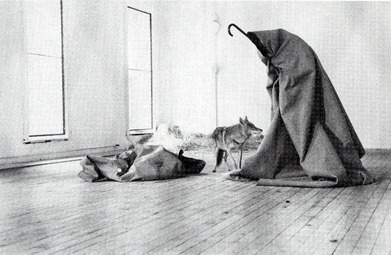
Although a work of performance art, this piece serves as a profound ecological critique of modern civilization’s dominance over the wild natural world. The wolf represents the indigenous ecosystem devastated by urban development. Through his attempt to coexist peacefully with the animal, Beuys alludes to efforts to “heal” ecological ruptures and calls for a mindset of reciprocity that respects the boundaries of non-human communities.
Reference:
•Centre, U.W.H. (2021). Sítio roberto burle marx. [online] UNESCO World Heritage Centre. Available at: https://whc.unesco.org/en/list/1620/ [Accessed 19 July 2026].
•Daryna Markova (2025). Eco-Art: Transforming awareness through creativity. [online] Domartresidence.com. DOM Art Residence. Available at: https://domartresidence.com/blog/eco-art [Accessed 19 July 2026].
•Hundt, G. and Daniels, T.L. (2016). The plan for the valleys. Journal of Planning history, 17(1), pp.3–19. doi:10.1177/1538513216681586.
•Kagan, S. (2014). The practice of ecological art.
•Landezine (2024a). Landscape architecture platform | landezine. [online] Landscape Architecture Platform | Landezine. Available at: https://landezine.com/topics/thinkers-practitioners/ian-mcharg/ [Accessed 19 July 2026a].
•Landezine (2024b). Landscape architecture platform | landezine. [online] Landscape architecture platform | landezine. Available at: https://landezine.com/topics/thinkers-practitioners/roberto-burle-marx/ [Accessed 20 July 2026b].
•National Gallery of Canada (2017). Joseph Beuys. [online] National Gallery of Canada. Available at: https://www.gallery.ca/beuys [Accessed 19 July 2026].
•Olivier, B. (2007). Ecological “art” and the transformation of the world. South African Journal of Art History, 22, pp.24–34.
•Whitaker, W. and Steiner, F. (2019). Ian l. McHarg: An illustrated chronology of his life. Socio-Ecological practice research, 1(3–4), pp.371–380. doi:10.1007/s42532-019-00032-4.
•Yang, B. and Li, S. (2016). Design with nature: Ian McHarg’s ecological wisdom as actionable and practical knowledge. Landscape and urban planning, 155, pp.21–32. doi:10.1016/j.landurbplan.2016.04.010.

